
When a family member faces a health crisis that requires intensive monitoring, the environment suddenly feels heavy with clinical terms and complex machinery. In many Indian households, the initial instinct is to remain in a hospital setting indefinitely. However, as medical technology advances, the focus is shifting toward providing high-level medical support within the comfort of one’s own home. This is where the role of specialized nursing becomes the bridge between a hospital’s sterile efficiency and a home’s healing warmth. It is not just about keeping a check on heart rates; it is about managing a patient’s entire ecosystem to prevent secondary complications that often go unnoticed.
The Intersection of Medical Precision and Personal Care
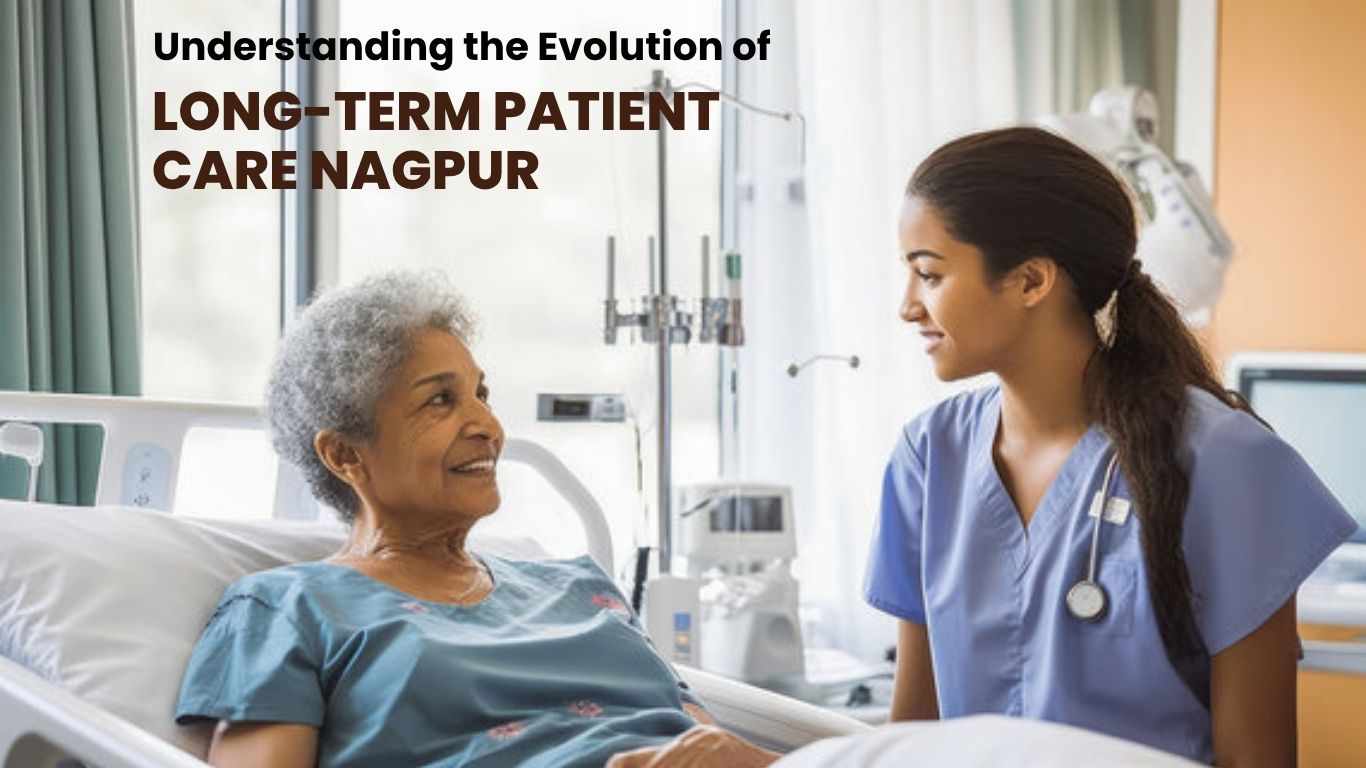
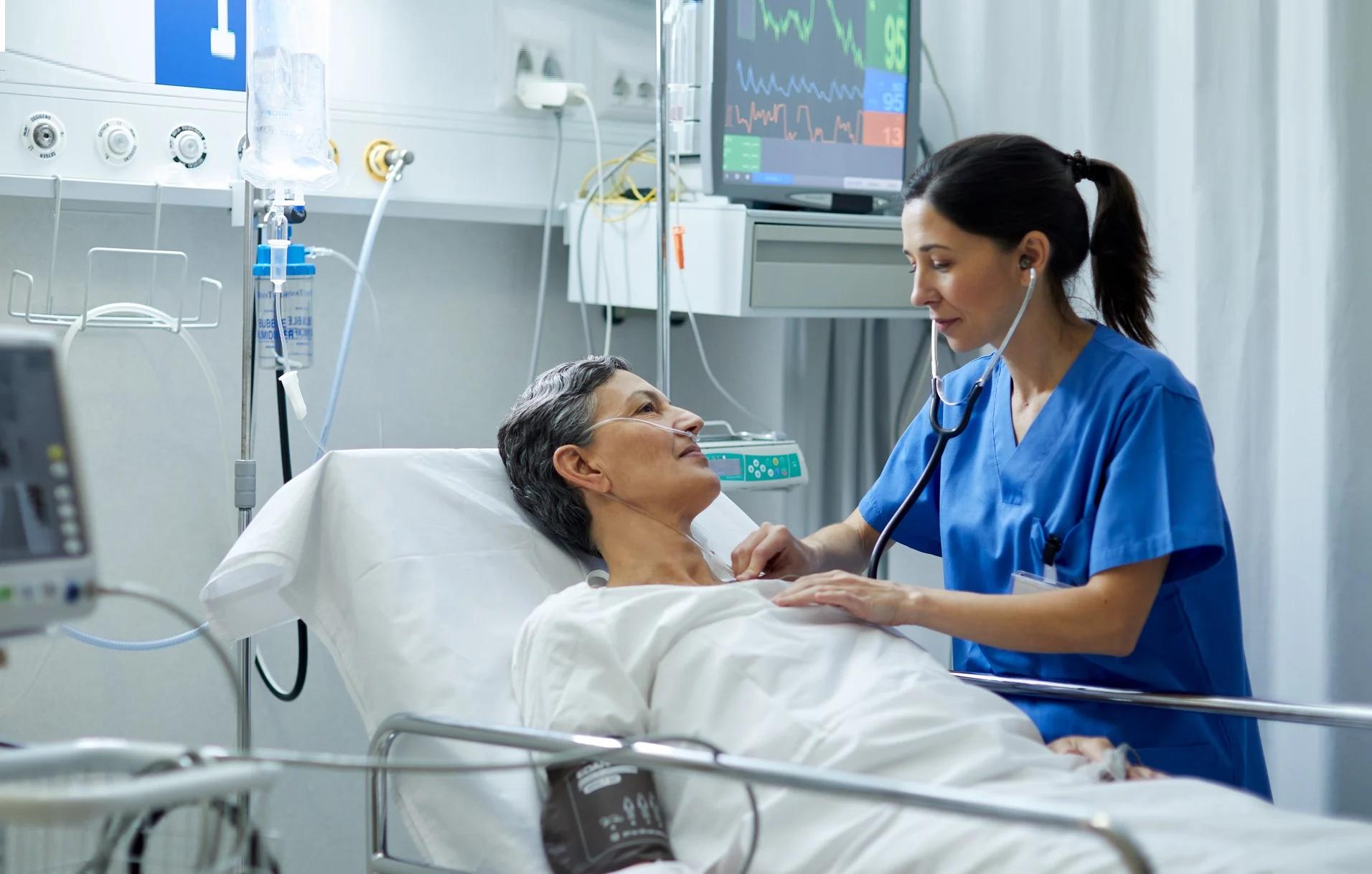
In the heart of Maharashtra, the healthcare landscape is evolving rapidly. Families are increasingly looking for ways to provide the best possible care without the prolonged stress of hospital stays. Critical Care Nursing Services involve more than just administering medication; they represent a 24-hour commitment to vigilance. A trained nurse in this field is equipped to handle ventilators, infusion pumps, and complex catheter care. They act as the primary eyes and ears for the doctor, noticing subtle changes in breathing patterns or skin color that might indicate a brewing issue. In cities like Nagpur, which serves as a major medical hub for Central India, this service is becoming a necessity for families managing chronic respiratory issues or post-operative recovery.
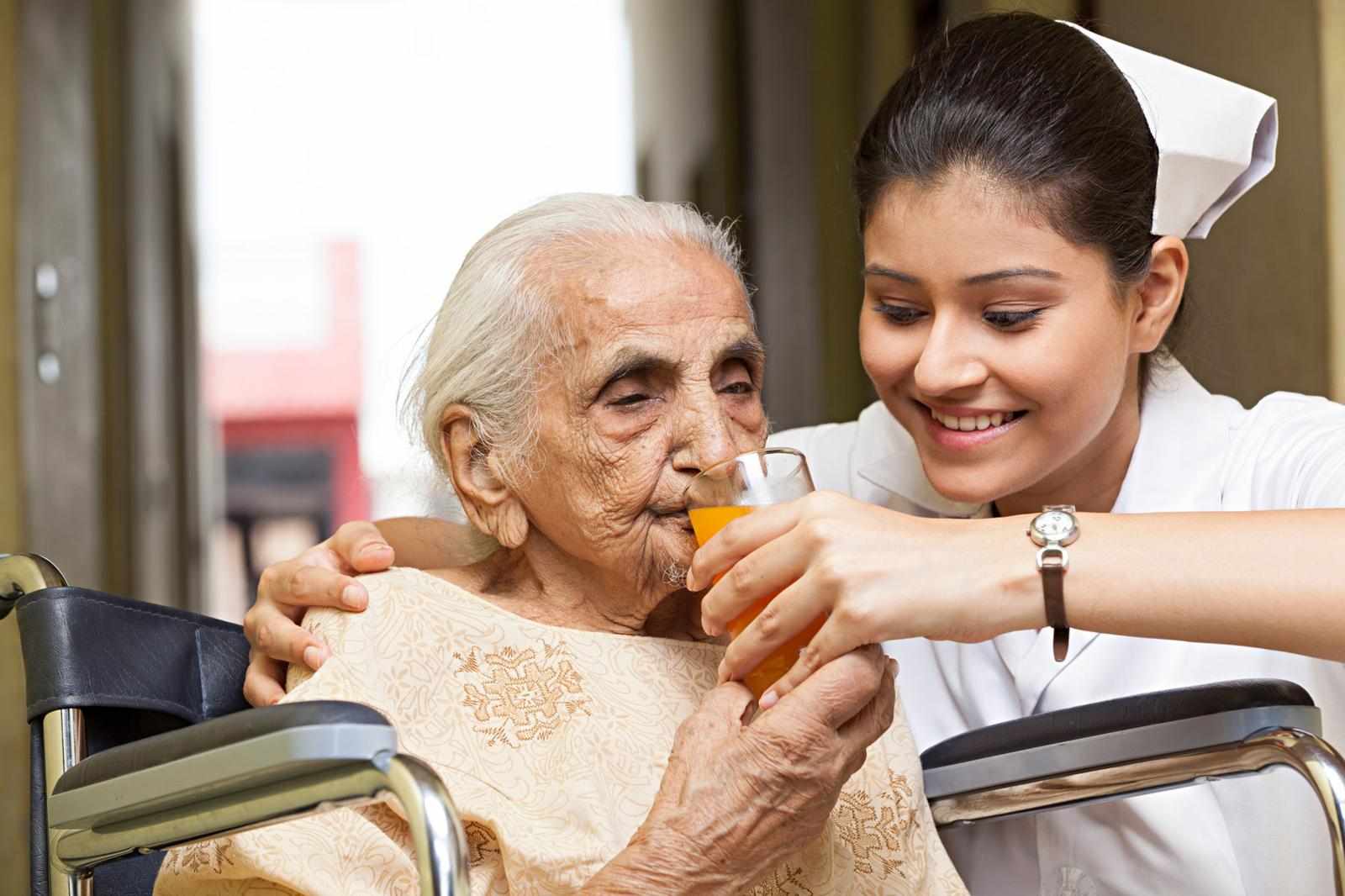
The shift toward home-based intensive care allows patients to be surrounded by their loved ones, which significantly reduces the anxiety associated with "ICU psychosis"—a state of confusion often seen in patients kept in windowless, noisy hospital units. By bringing professional expertise into the bedroom, the patient benefits from a one-on-one attention ratio that is rarely possible in a crowded ward. This personalized approach ensures that every small milestone is celebrated and every risk is mitigated in real-time.
Preventing Complications: The Oral Health Connection
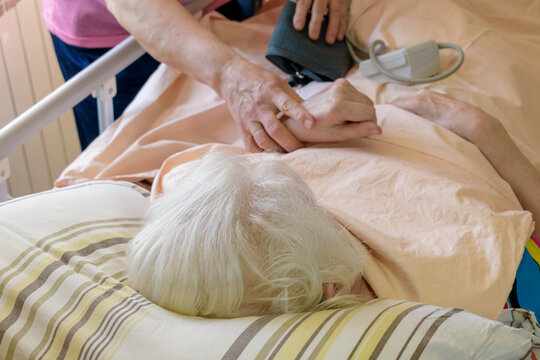
One of the most overlooked aspects of intensive care is the maintenance of oral hygiene. When a patient is bedridden or on a ventilator, the mouth becomes a primary gateway for infections. Bacteria from dental plaque can easily be inhaled into the lungs, leading to conditions like Ventilator-Associated Pneumonia (VAP). This is why a nurse’s role includes meticulous mouth care. Just as a dentist emphasizes preparation and hygiene before a quick teeth replacement surgery to avoid post-procedural infections, a critical care nurse follows strict protocols to keep the oral cavity clean.
Maintaining dental health is not just about a bright smile; it is about systemic safety. If a patient has existing dental issues, such as broken teeth or missing restorations, the risk of bacterial buildup increases. The process of getting dental crowns and bridges is often seen as a cosmetic fix, but in a medical context, these restorations help maintain the structural integrity of the mouth and prevent further decay. For a recovering patient, being able to eventually eat and speak clearly is a vital part of regaining their independence. A nurse ensures that the mouth is hydrated and free of debris, which is as essential as managing a surgical wound.
Managing Complex Recoveries at Home
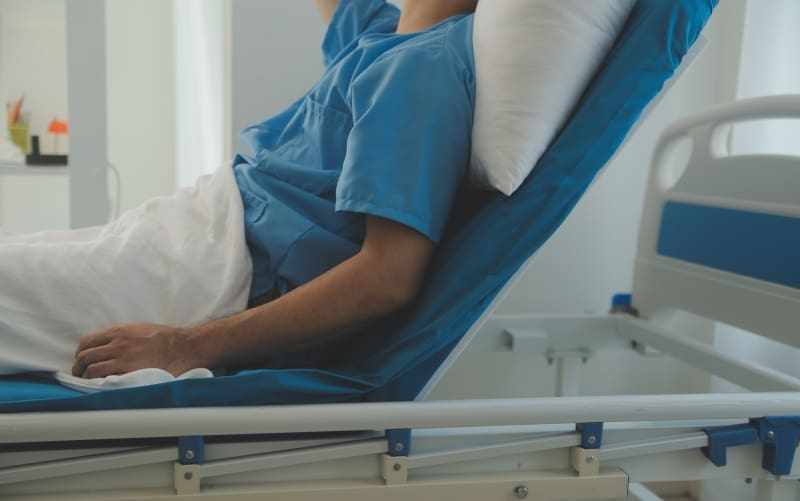
The logistical challenge of setting up an ICU-level environment at home can be daunting for a family. It requires a steady power supply, specialized beds, and a clear communication channel with the treating physician. When seeking Critical Care Nursing Services Nagpur, families are often looking for a partner who can manage these logistics. The nurse becomes the coordinator who ensures that oxygen cylinders are refilled, medications are stocked, and the daily routine remains predictable. This level of coordination is especially crucial for patients who have undergone major surgeries.
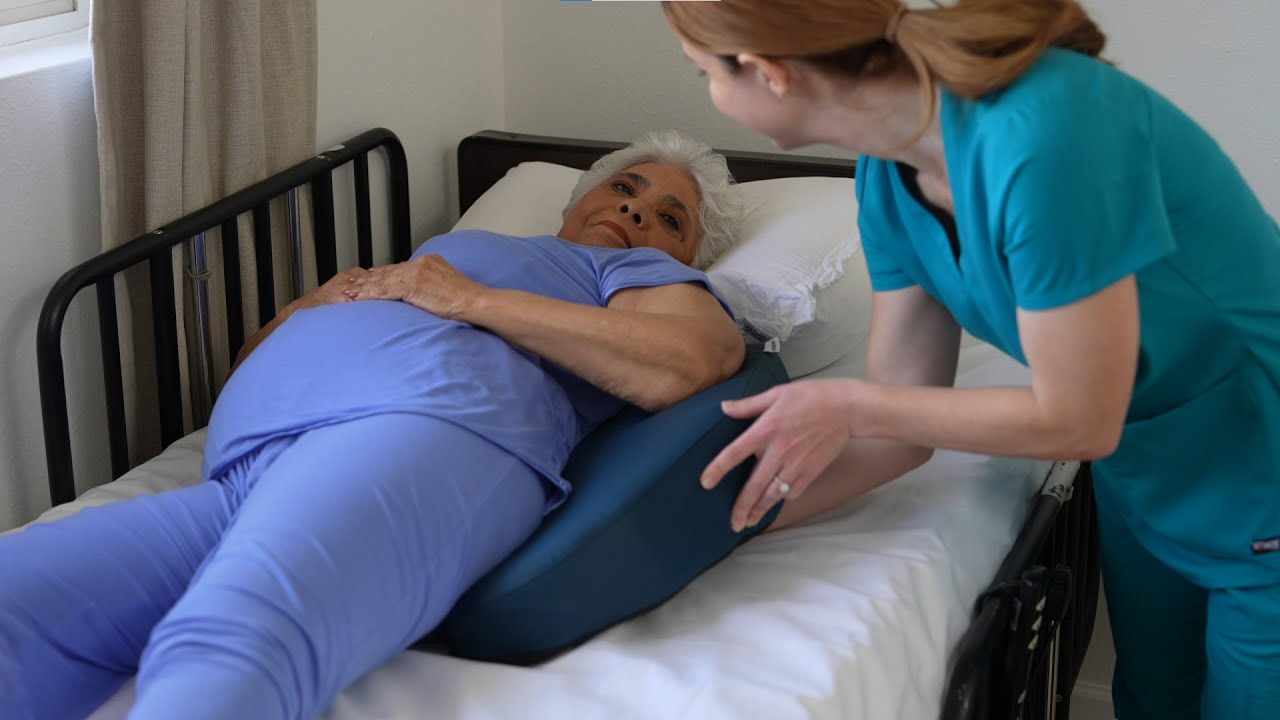
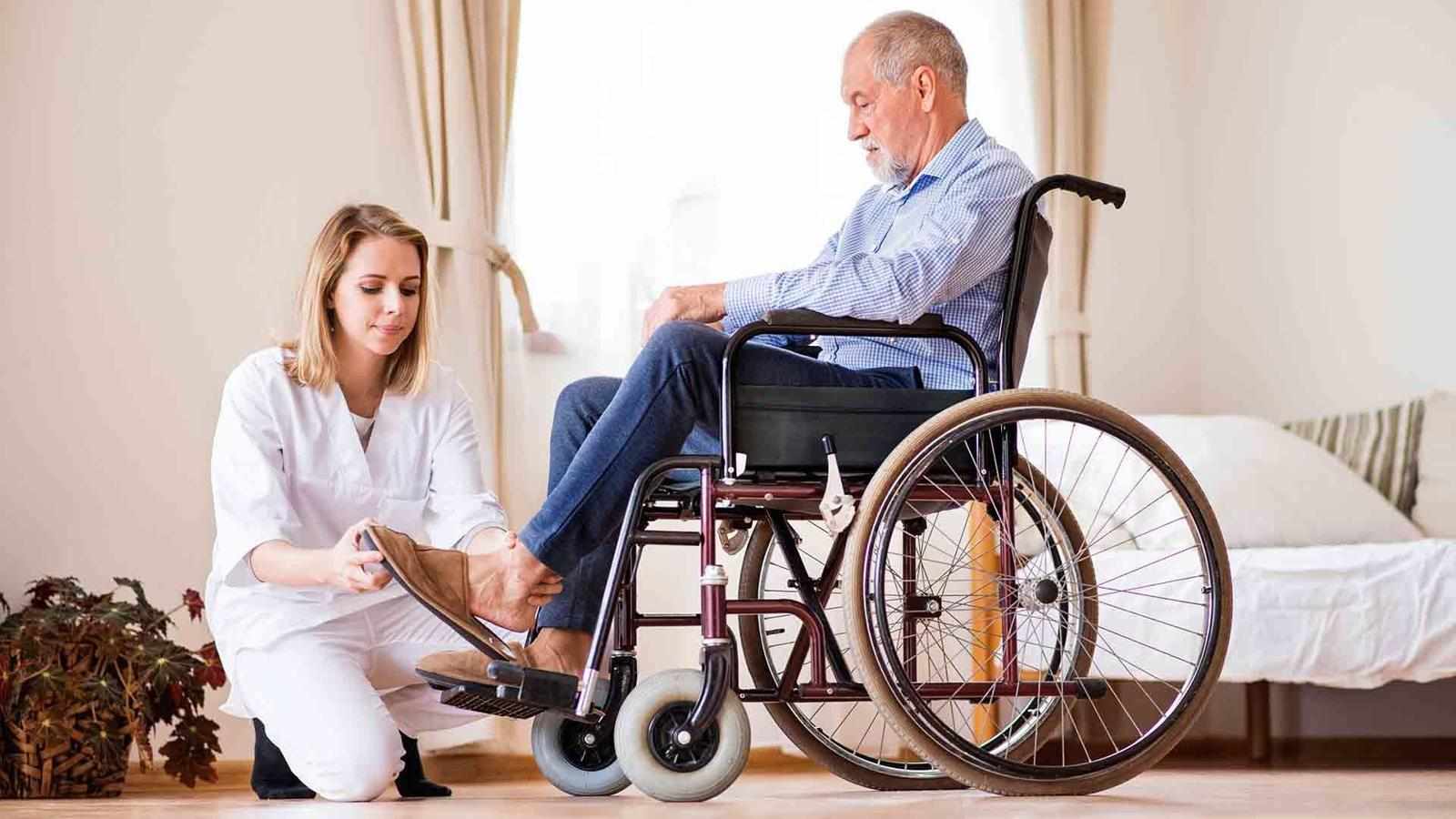
Proper preparation is the key to any medical success. For instance, just as a dental team requires a full medical history and a clear treatment plan before starting a procedure, a home care nurse must understand every detail of the patient’s clinical journey. They monitor for signs of deep vein thrombosis (DVT) and bedsores, which are common risks for those with limited mobility. By incorporating movement exercises and regular position changes, the nursing staff prevents these "silent" complications from stalling the recovery process.
Beyond Survival: Restoring the Quality of Life
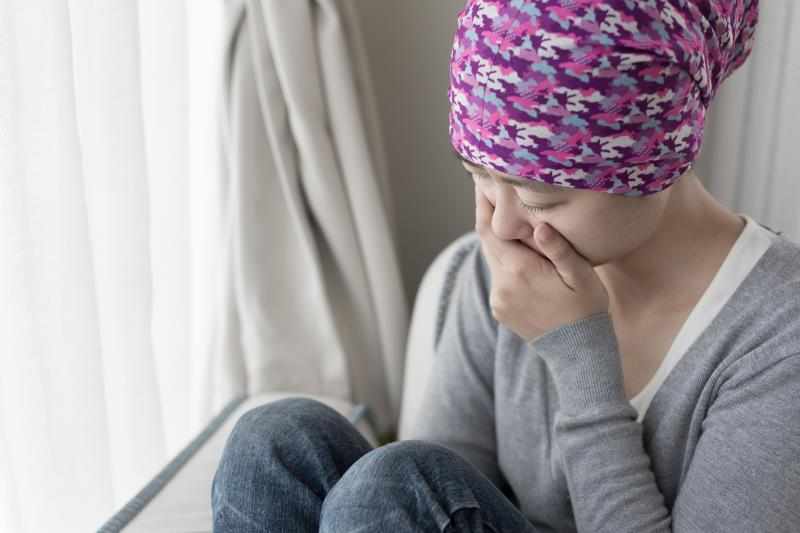
The ultimate goal of critical nursing is to help a patient return to their normal life. This includes addressing the psychological toll that a long illness takes on a person’s self-esteem. In an age where social media often portrays unrealistic standards of health and beauty, patients can feel a sense of inadequacy during their slow recovery. The pressure to look "perfect" or have a radiant grin, as seen in digital trends, can sometimes discourage those who are struggling with physical limitations.
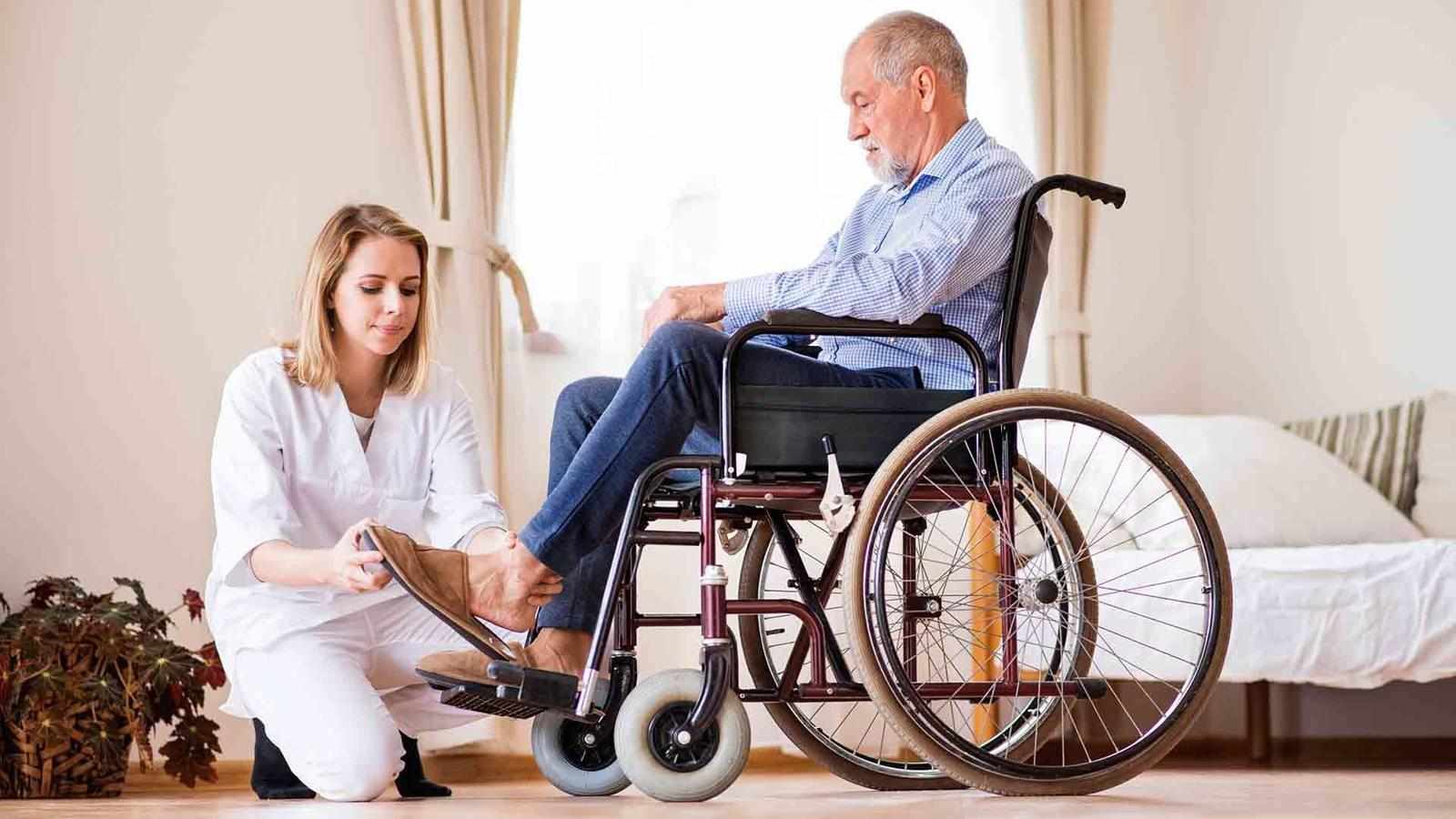
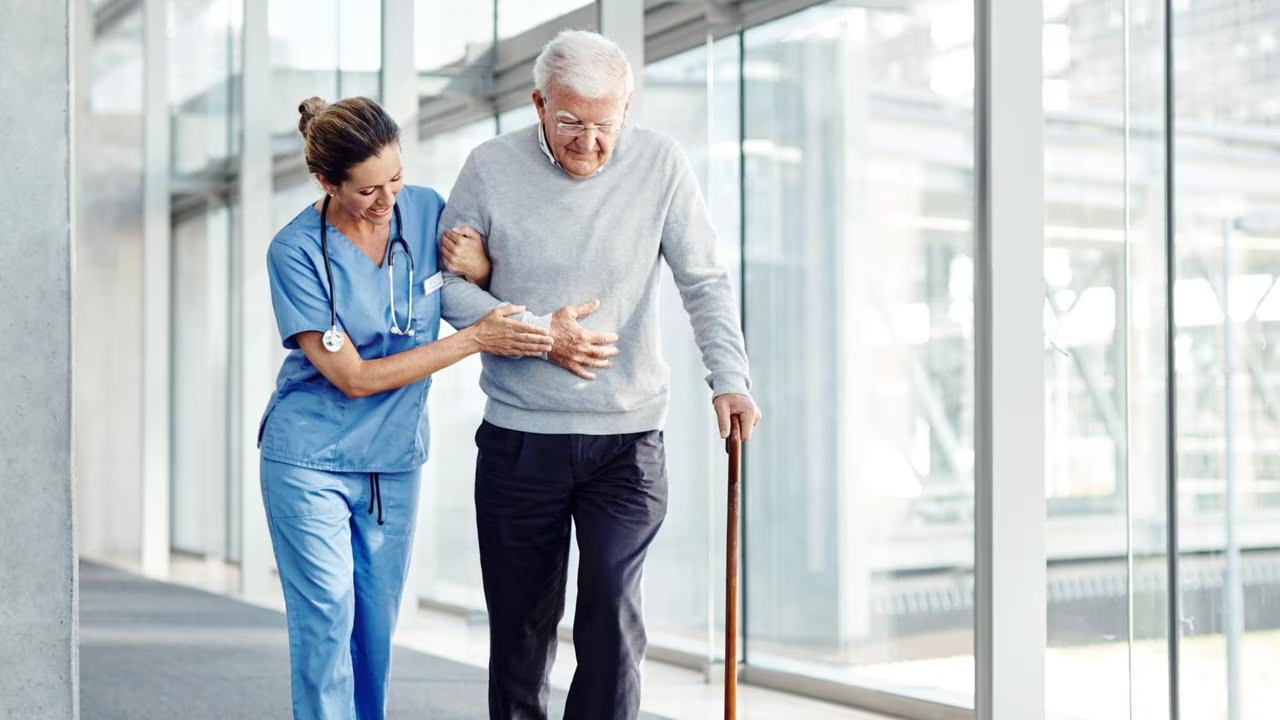
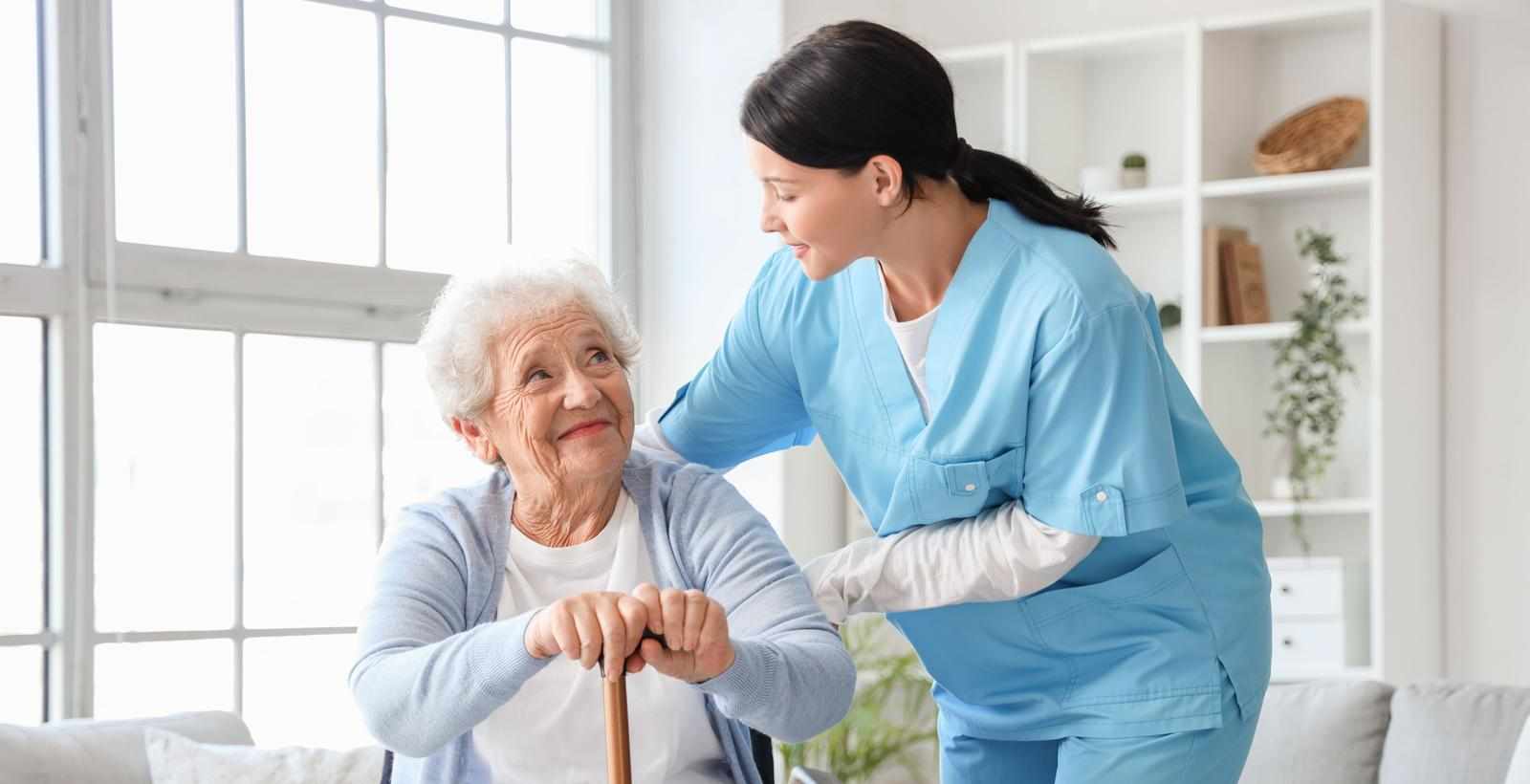
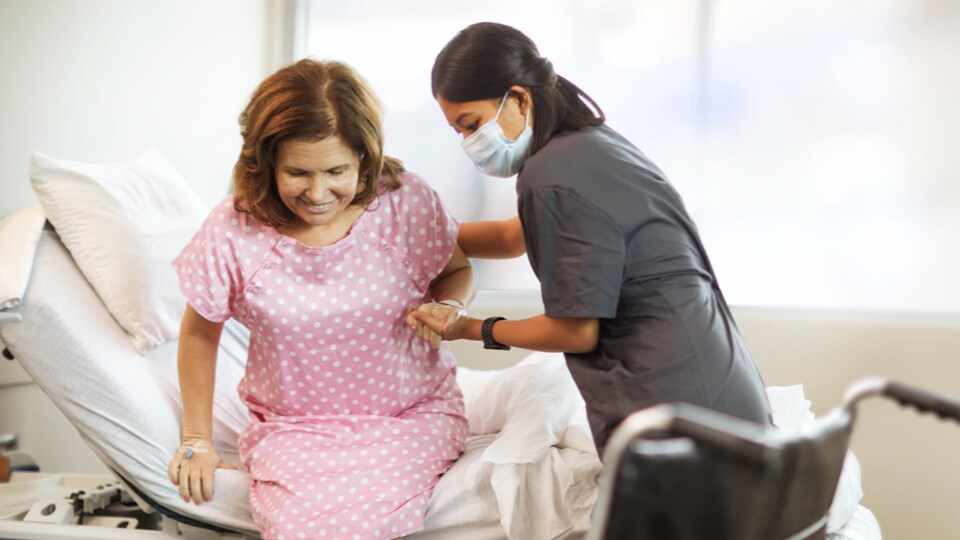
A good nurse provides emotional support, helping the patient focus on functional milestones rather than just aesthetic ones. Whether it is moving from a bed to a chair or finally being able to use a toothbrush on their own, these small wins are what build the foundation for long-term health. The restoration of oral function, perhaps later involving professional dental work to fill gaps or fix damaged teeth, can eventually boost a patient’s confidence and social interactions.
Frequently Asked Questions
1. What is the difference between home nursing and critical care nursing?
Home nursing usually covers basic assistance and wound dressing, while critical care nursing involves specialized 24/7 monitoring of unstable patients, often requiring the use of life-support equipment like ventilators.
2. How do nurses prevent lung infections in bedridden patients?
Nurses use regular oral suctioning, mouth rinsing with antiseptic solutions, and frequent position changes to ensure that secretions do not enter the lungs and cause pneumonia.
3. Can a patient with a tracheostomy be managed at home?
Yes, with the help of a trained critical care nurse, tracheostomy care—including cleaning the tube and ensuring a clear airway—can be safely performed in a home setting.
4. Why is a soft diet often recommended during early recovery?
A soft diet reduces the strain on the jaw and ensures that the patient gets adequate nutrition without the risk of choking or damaging dental structures that might be weakened by long-term illness.
5. How can families prepare the home for these services?
Families should ensure there is a dedicated, well-ventilated room with enough space for equipment, a stable internet connection for teleconsultations, and a backup power source for medical devices.
6. Is home-based intensive care as safe as a hospital?
For stable patients who require long-term monitoring rather than emergency intervention, home-based care is highly effective and carries a lower risk of hospital-acquired infections.
Conclusion
The journey of recovery is rarely a straight line. It is a process of small, daily actions that eventually lead to total wellness. By focusing on both high-tech monitoring and basic hygiene—like oral care and skin integrity—critical nursing provides a safety net that allows healing to happen naturally. Whether it is ensuring a clean mouth to prevent a lung infection or providing the emotional strength to face the day, the role of a specialized nurse is indispensable. In a world that often prioritizes speed, the patient-centered approach of home-based care reminds us that the best medicine is often a combination of expert skill and the comfort of home. Professional support ensures that even the most difficult health challenges can be managed with dignity and care.


Write a comment ...