
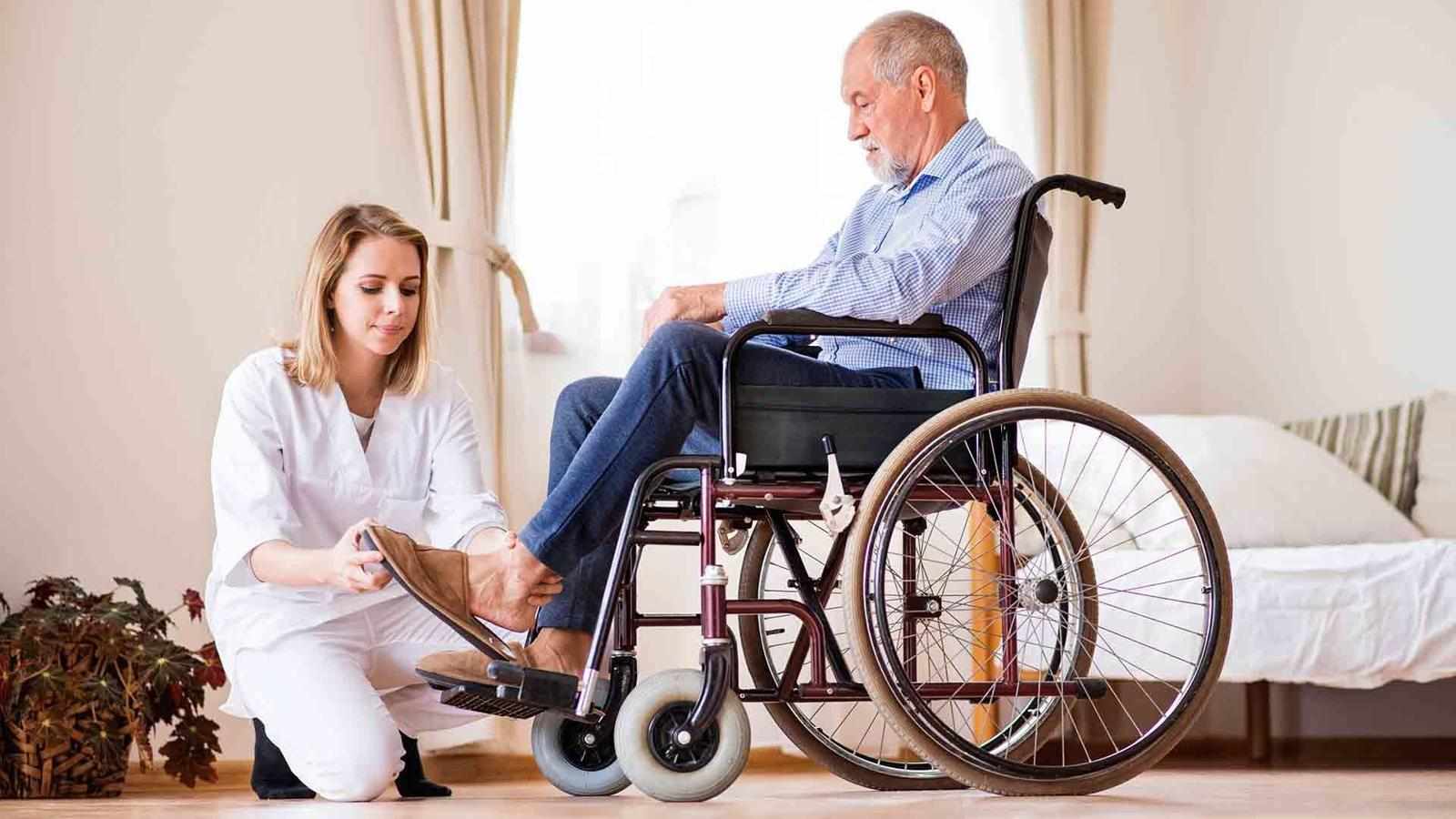
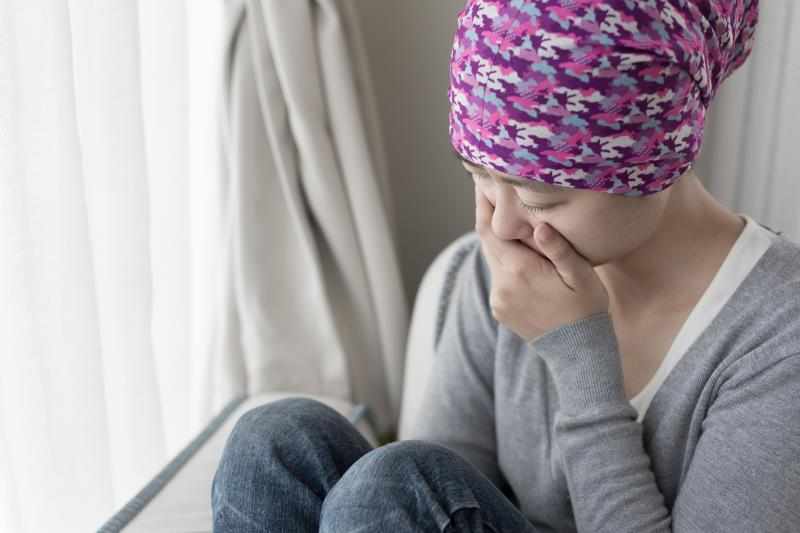
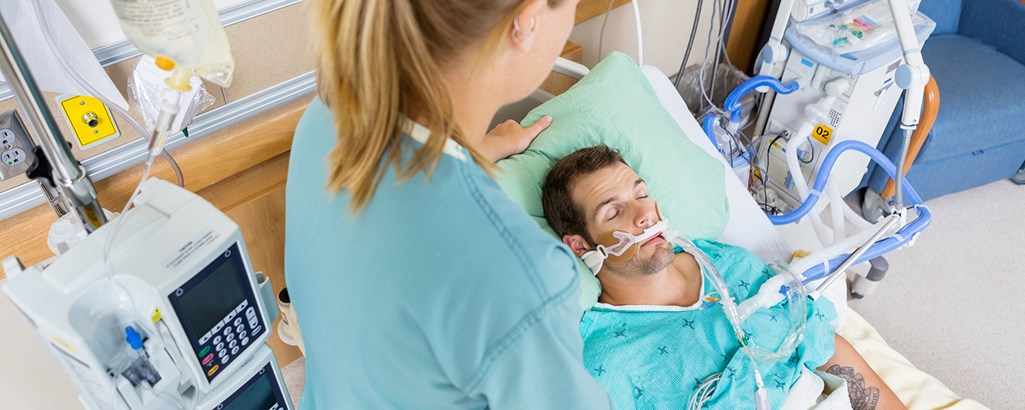
When a patient moves from acute treatment to a prolonged stay, the focus of healthcare shifts. It is no longer just about the immediate crisis. Instead, the goal becomes improvement and maintaining a high quality of life. This phase of recovery requires patience, planning, and a deep understanding of physical and emotional needs. In India, where family presence is a cornerstone of healing, this process involves both medical staff and loved ones working together to ensure progress.
Understanding the Shift to Extended Medical Support
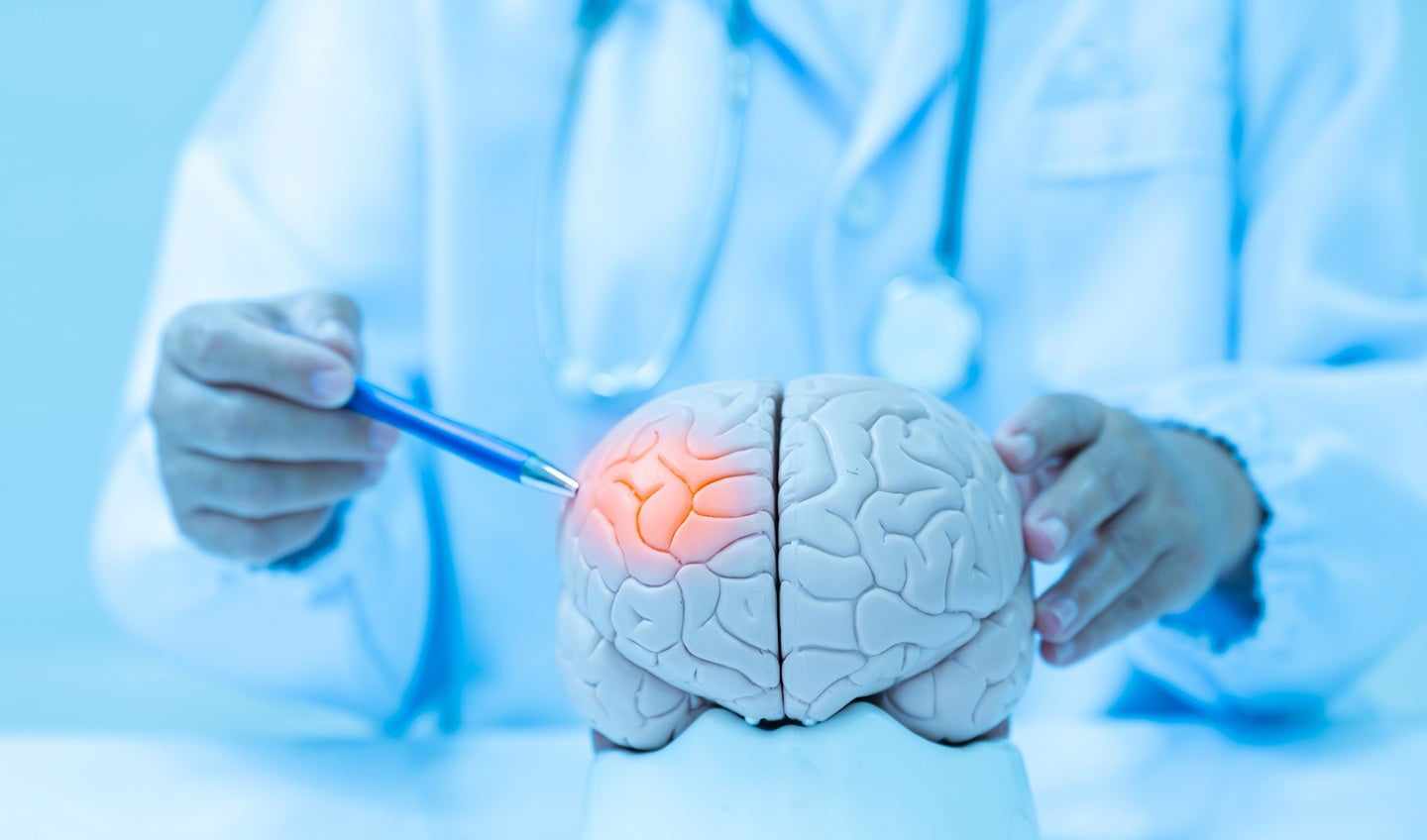
Effective long-term patient care in hospital environments requires a shift in perspective. It involves moving from emergency interventions to a routine that promotes healing over weeks or months. During this time, the medical team evaluates everything from bone structure to overall organ function to prevent complications. This is true for procedures like immediate loading implants, where functional teeth are received shortly after placement, bypassing long healing periods.
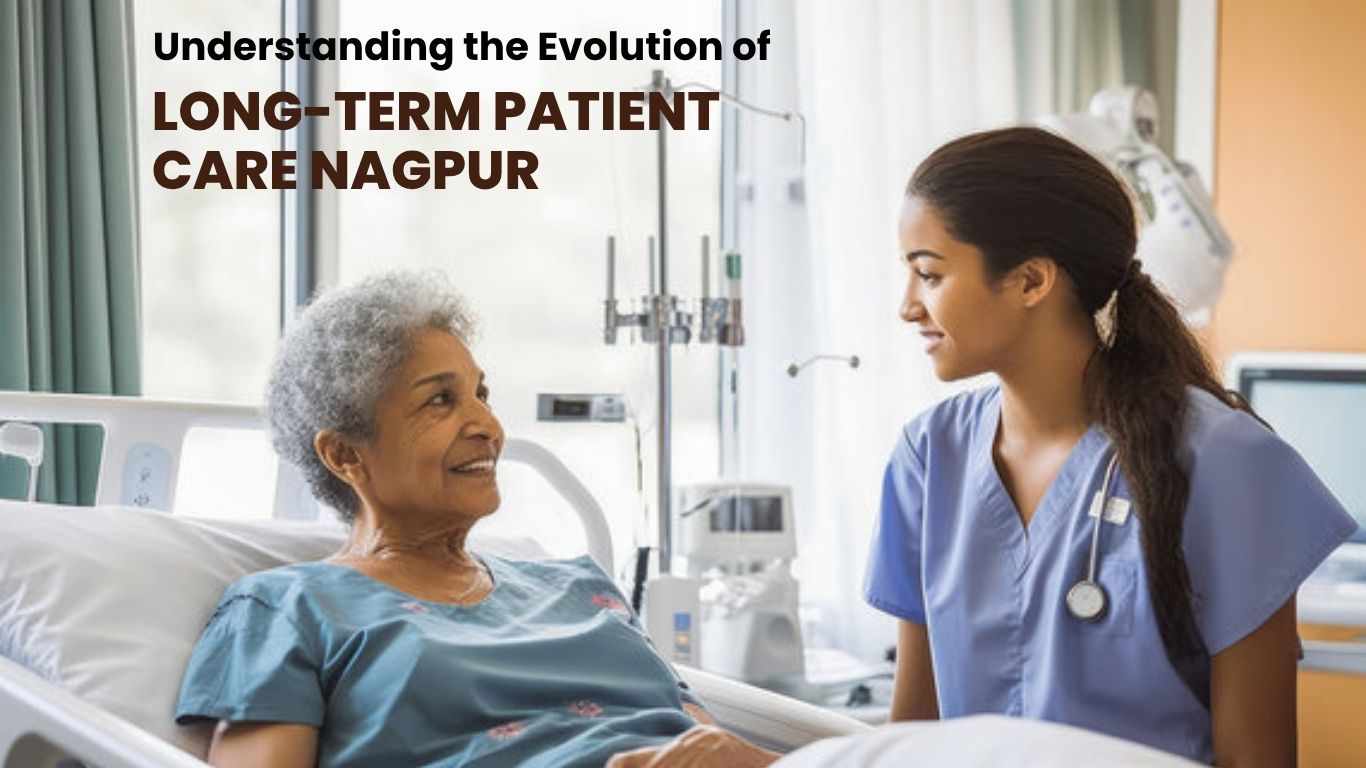
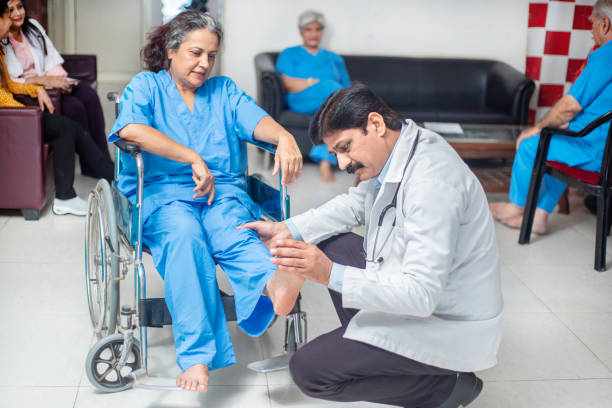
For many patients in Central India, accessing high-quality facilities is a priority. Families often look for specialized services in regional hubs. Seeking reliable long-term patient care nagpur can make a significant difference for those who need extended monitoring after complex surgeries or during geriatric care. This local access allows families to remain close to the patient, which is vital for emotional stability and recovery.
The Role of Nutrition and Hydration in Recovery
One of the most vital aspects of staying in a hospital for a long time is diet. A nutritious diet rich in vitamins is essential to support the body's healing processes. Medical teams often emphasize foods high in protein, calcium, and vitamins C and D. These nutrients are the building blocks for bone health and tissue repair. For example, if a patient has undergone dental restoration, these vitamins help ensure that implants or crowns integrate successfully into the jawbone.
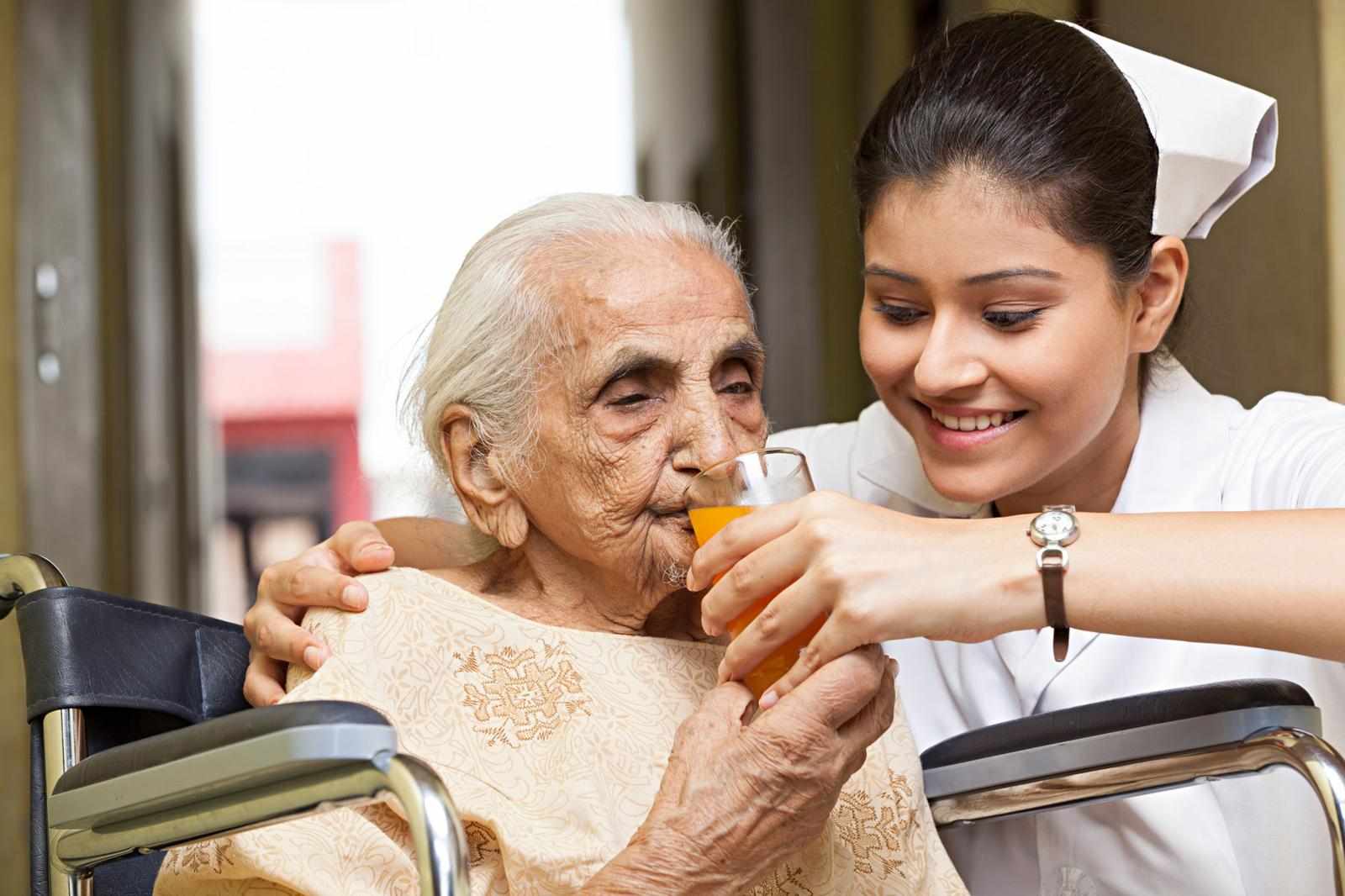
Hydration is equally critical. Staying well-hydrated by drinking water helps wash away food particles and reduces the risk of infections. It is advised to avoid excessive caffeine or alcohol, as these can interfere with medications and dehydrate the body. Families should coordinate with the dietician to ensure the patient receives the right balance of nutrients while sticking to familiar tastes.
Building a Support System and Managing Lifestyle Habits
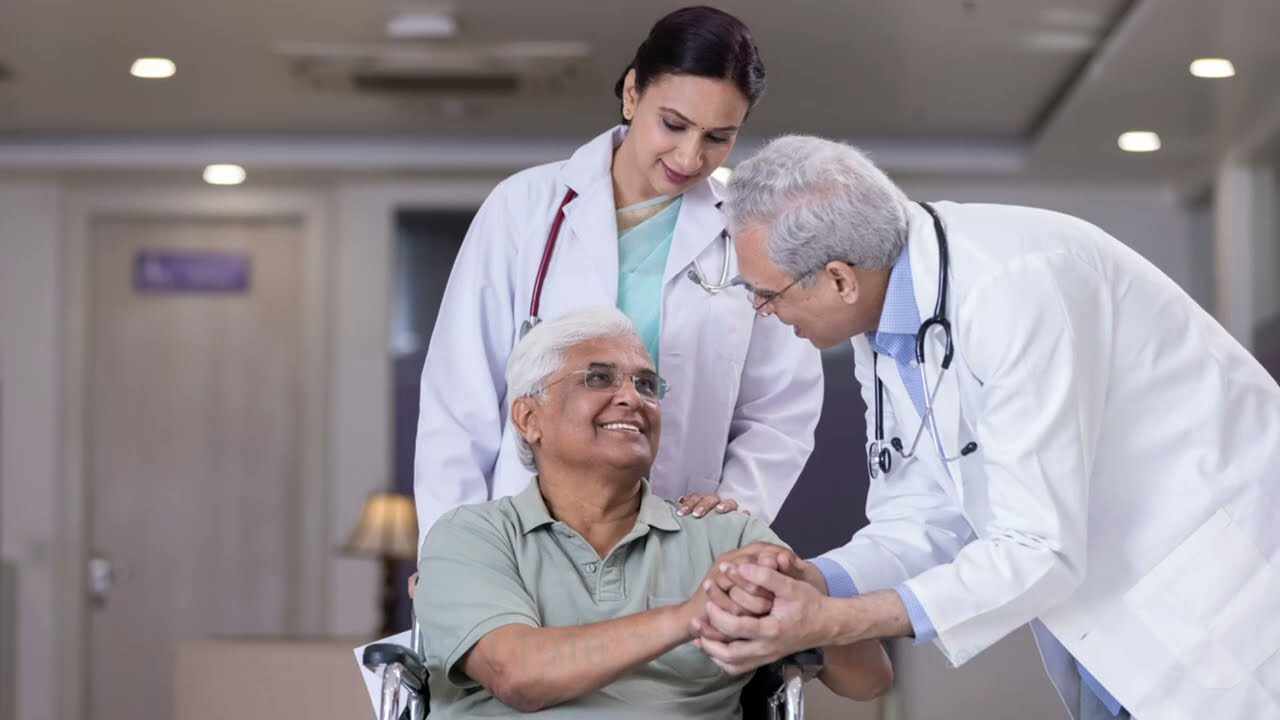
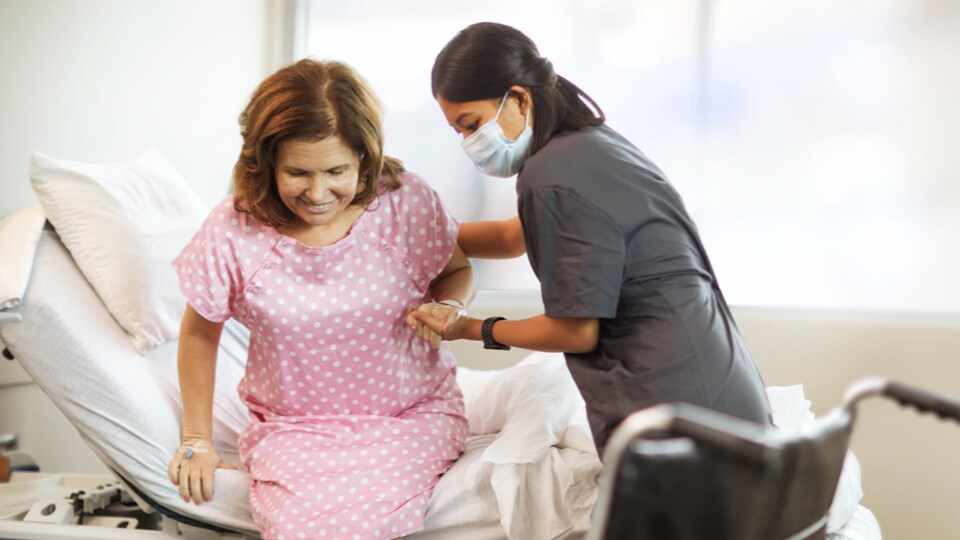
A long hospital stay can be draining. This is why having a strong support system is beneficial. Informing friends or family about the recovery plan ensures that someone is always available to assist. In many Indian hospitals, the role of the attendant is formalized, as they provide the emotional comfort that medicine alone cannot offer.
Lifestyle adjustments also play a part in how quickly a person recovers. If a patient smokes, doctors suggest quitting or reducing the habit before and after surgery. Smoking delays healing and can even increase the risk of implant failure. Similarly, limiting alcohol is important because it can interfere with anesthesia and pain medications. Engaging in moderate exercise, as advised by a professional, helps maintain overall health and reduces the stress associated with a long stay.
Maintaining Oral Health During Prolonged Treatment
When a person is confined to a hospital room, basic hygiene can sometimes take a backseat. However, maintaining excellent oral hygiene is vital for overall health. Dental issues like cavities can lead to infections that complicate other medical conditions. For patients who have dental crowns or bridges, regular brushing and flossing are necessary to prevent decay in the supporting teeth.
Crowns and bridges do more than just improve a smile; they restore the ability to eat and speak naturally, which improves the patient's quality of life during a long recovery. These prosthetic devices protect weakened teeth and prevent adjacent teeth from shifting. Long-term durability is possible only with proper care and regular check-ups. Even in a hospital, a simple routine of gentle brushing and rinsing can prevent secondary problems.
Preparing for the Transition Back to Home Life
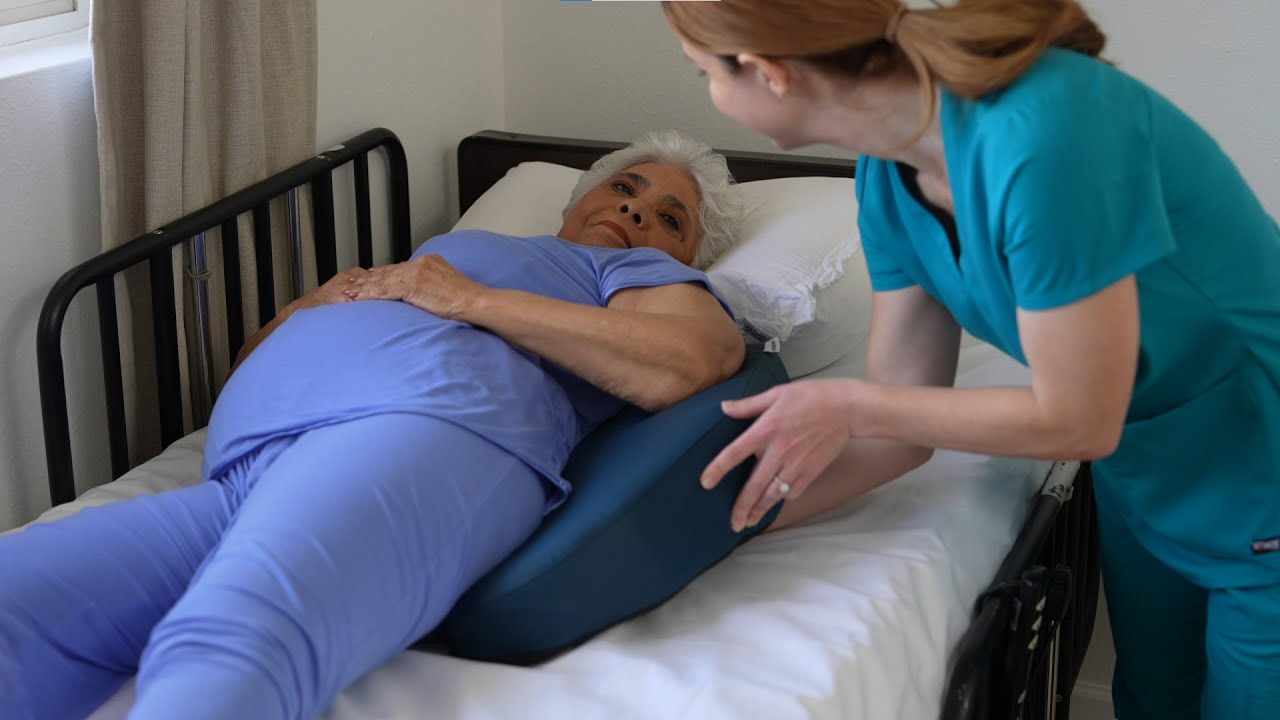
Leaving the hospital is a milestone, but it requires careful preparation at home. Before the patient is discharged, it is helpful to create a comfortable recovery space with plenty of pillows and blankets. Arrange for transportation on the day of discharge, as the patient may still feel drowsy or physically weak.
Clear communication with the medical team is necessary before leaving. Ensure that all post-operative instructions, including medication schedules and follow-up appointments, are fully understood. At home, the patient should initially follow a soft diet, slowly reintroducing solid foods as they feel stronger. Avoiding spicy or hard foods can prevent irritation to any surgical sites or sensitive areas. By planning ahead, the move from a clinical setting back to the comfort of home can be handled without unnecessary stress.
Frequently Asked Questions
How long does recovery usually take? It varies depending on the procedure and the patient's health status.
Can I eat normally in the hospital? Usually, a soft diet is recommended first to avoid irritating surgical sites.
Is smoking harmful for healing? Yes, it can significantly delay healing and cause implant failure.
Why is protein important for patients? Protein is essential for tissue repair and bone health during the recovery phase.
Do I need a support person? Yes, having someone to assist you during the initial recovery is highly beneficial.
How do I maintain dental work? Regular brushing and flossing are necessary to ensure the longevity of crowns and bridges.
Conclusion
Long-term care requires a balance of medical expertise and personal diligence. By focusing on nutrition, hygiene, and a solid support system, patients can achieve a smooth recovery and return to their daily lives with renewed strength and a healthy, functional smile. Proper preparation ensures that the transition from hospital to home is safe and effective, leading to better health outcomes.




Write a comment ...