
Coming to terms with a sudden health shift in the family is never easy. When a loved one is diagnosed with a condition that limits their mobility, life feels like it has hit a pause button. In our close-knit Indian households, the first instinct is always to take everything upon our own shoulders. However, managing paralysis care in Nagpur requires a delicate balance of medical precision, emotional patience, and physical stamina that can often overwhelm even the most dedicated family members.
Navigating this path involves more than just medicines; it is about rebuilding a life. Whether it is a result of a stroke, a spinal injury, or a neurological condition, the road to recovery is a marathon, not a sprint. Understanding the local resources and the specific needs of a patient can make this transition smoother for everyone involved.
The Reality of Long-Term Recovery at Home
In many homes across Maharashtra, the living room quickly transforms into a mini-hospital ward. While the intention is pure, the technical demands of recovery are high. Paralysis isn’t just about the inability to move a limb; it affects digestion, skin health, and even the way a person breathes. Without professional guidance, small oversights can lead to complications like bedsores or muscle atrophy.
Creating a Healing Environment
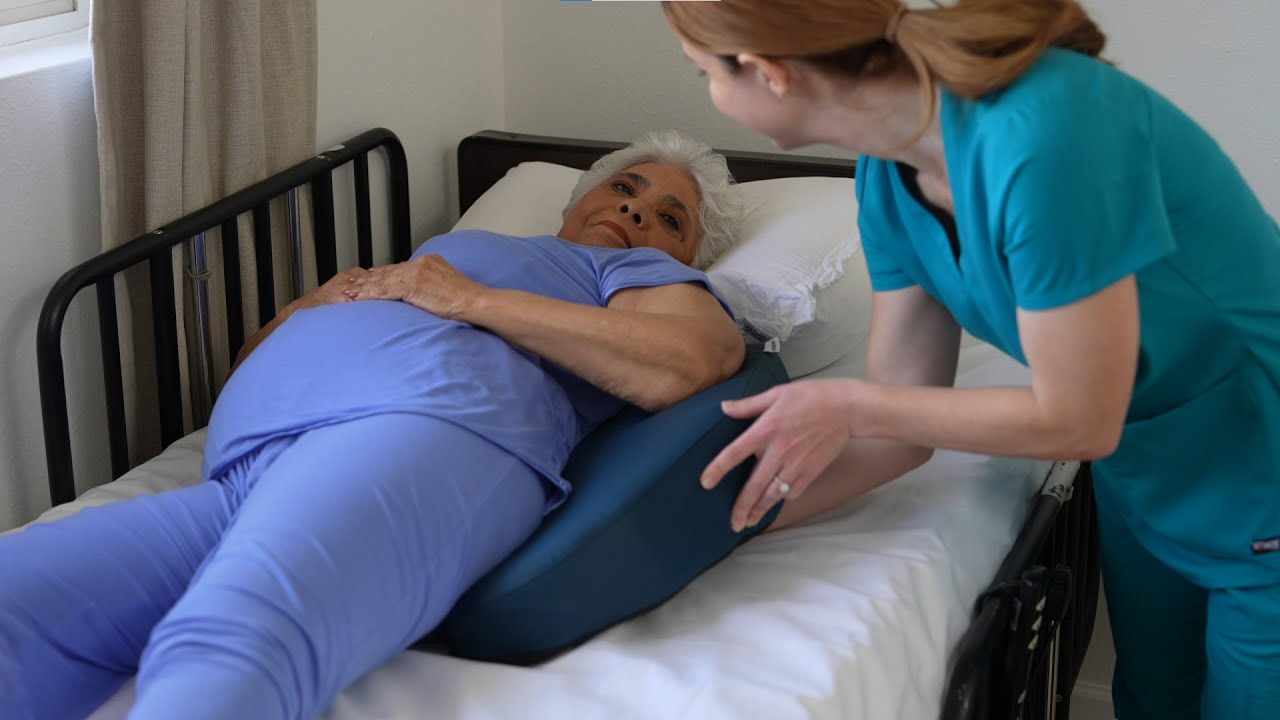
A room for a patient needs to be more than just quiet. It should be well-ventilated and organized to prevent any feeling of isolation. In a city like Nagpur, where summers can be intense, maintaining a cool and hydrated environment is vital. Simple adjustments, such as using ripple mattresses to prevent pressure sores or installing grab bars in the washroom, can significantly improve the quality of daily life.
The Role of Nutrition in Nerve Repair
Diet plays a massive role in Indian recovery traditions. Incorporating protein-rich foods like dal, paneer, and sprouts helps in muscle maintenance. Since movement is restricted, digestion often slows down. Focusing on fiber-heavy fruits like papaya and ensuring the person drinks enough water is essential to prevent common issues like constipation.
Why Professional Support Matters?
There comes a point where family love needs to be supplemented by professional expertise. Choosing the best paralysis care center in Nagpur is often the most practical decision a family can make. These centers are designed to provide the kind of intensive monitoring that is difficult to maintain at home while balancing work and other domestic responsibilities.
The Advantage of Structured Therapy
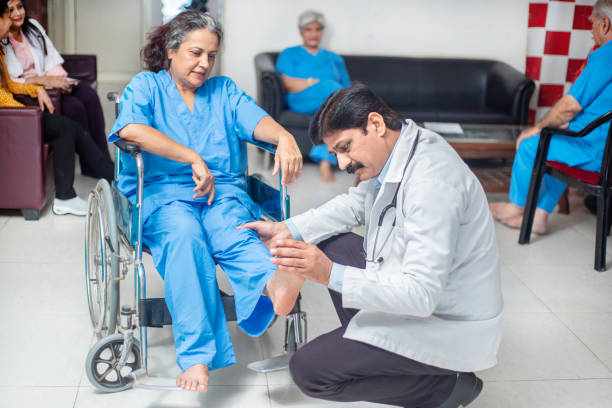
A specialized center offers a multidisciplinary approach. This means the patient isn’t just seeing a doctor; they are working with physiotherapists who understand neuro-rehabilitation, occupational therapists who help them relearn how to hold a spoon, and speech therapists if the facial muscles are affected. This collective effort accelerates the “Golden Period” of recovery—the first few months where the brain and nerves are most receptive to retraining.
Bridging the Gap Between Hospital and Home
Many families find themselves in a “gray zone” after a patient is discharged from a major hospital. They are stable enough to leave the ICU but not yet ready for a standard home setup. A dedicated care facility acts as this bridge, providing a safe space where the focus is entirely on rehabilitation rather than just survival.
The Emotional Side of the Coin
We often focus so much on the physical aspects that we forget the mental toll. In India, a person’s identity is often tied to their role as a provider or a nurturer. Losing that independence can lead to deep frustration or depression.
Social Inclusion: Even if they cannot move, involving the patient in family discussions or tea-time chats keeps their spirits high.
Celebrating Small Wins: Being able to wiggle a toe or sit up for ten minutes is a huge milestone. Acknowledging these wins builds the confidence needed for the next step.
Caregiver Burnout: It is okay to admit you are tired. When caregivers are exhausted, the quality of care drops. Utilizing professional services isn’t “giving up” on your loved one; it is ensuring they get the highest level of care while you preserve your own health to support them emotionally.
Daily Management and Nursing Essentials
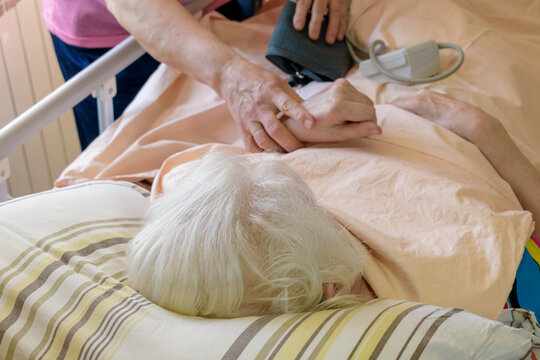
Consistent monitoring is the backbone of paralysis management. This is where a 24/7 nursing facility in nagpur becomes an invaluable asset for local families. Having a trained professional on hand means that vital signs are checked regularly, and any subtle change in the patient’s condition—like a slight fever or a change in skin color—is caught before it becomes a crisis.
Preventing Secondary Complications
One of the biggest risks for a non-mobile patient is the development of deep vein thrombosis (DVT) or pneumonia due to fluid buildup in the lungs. A trained nurse knows the specific “chest PT” techniques and limb movement exercises that keep the blood circulating and the lungs clear. They also manage catheter hygiene and bowel movements, which are often the most stressful tasks for family members to handle.
Medication and Schedule Discipline
Recovery relies heavily on the “on-time” administration of blood thinners, nerve stimulants, or blood pressure medication. In a professional facility, there is no risk of a missed dose. This discipline ensures that the body remains in a stable state, allowing the physical therapy sessions to be as effective as possible.
Frequently Asked Questions
1. How long does it usually take to see progress in paralysis recovery?
Recovery timelines vary significantly depending on the cause and severity. Generally, the most rapid progress occurs within the first three to six months. However, with consistent therapy, improvements can continue for years. Patience is the most important tool during this time.
2. Can physiotherapy be done at home, or is a center better?
While basic exercises can be done at home, a dedicated center provides access to specialized equipment like tilt tables, functional electrical stimulation (FES), and a focused environment free from household distractions, which often leads to better outcomes.
3. What are the signs of a developing bedsore?
Look for persistent redness on areas like the heels, tailbone, or shoulder blades. If the skin feels unusually warm to the touch or stays red even after the pressure is removed, it is a sign that the blood flow is being restricted and immediate intervention is needed.
4. How do I help a family member who is feeling depressed due to paralysis?
The best approach is active listening without judgment. Encourage them to participate in small daily choices, such as what to wear or what to eat. This restores a sense of control. If the sadness persists, seeking help from a counselor who specializes in chronic illness is highly recommended.
5. Is a nursing facility only for elderly patients?
Not at all. Paralysis can affect individuals of any age due to accidents or sudden medical events. Professional facilities cater to anyone who requires intensive physical rehabilitation and round-the-clock medical monitoring, regardless of their age.
6. What should I look for when choosing a facility in Nagpur?
Prioritize cleanliness, the ratio of nurses to patients, and the availability of on-site therapists. It is also helpful to visit the center to see if the atmosphere feels positive and if the staff interacts with patients with dignity and empathy.
Conclusion
Managing paralysis is a journey that reshapes a family’s daily life. While the challenges are real, the availability of professional support in our city provides a beacon of hope. By choosing the right environment and focusing on consistent, holistic care, you aren’t just managing a condition; you are helping a loved one reclaim their dignity and independence. Whether you choose to manage care at home with professional help or opt for a dedicated facility, remember that you don’t have to walk this path alone.
















Write a comment ...