
Recovering from a serious illness, surgery, or a chronic health condition is rarely a straight line. For many families in Nagpur, the hardest part is not the hospital stay it is everything that comes after. The weeks and months of follow-up care, medication management, physiotherapy, and emotional support that happen at home or in a care facility often go unplanned. That is where long-term patient care nagpur becomes a conversation every family eventually needs to have.
This blog is for anyone trying to understand what long-term care actually means, who needs it, and how to navigate it wisely.
What Does Long-Term Patient Care Actually Mean?
Long-term patient care is not just about having someone check a patient's blood pressure once a day. It covers a wide range of support from wound dressing and medication reminders to mobility assistance, nutritional monitoring, and mental health check-ins.
The need typically arises after:
A major surgery like a hip replacement or cardiac procedure
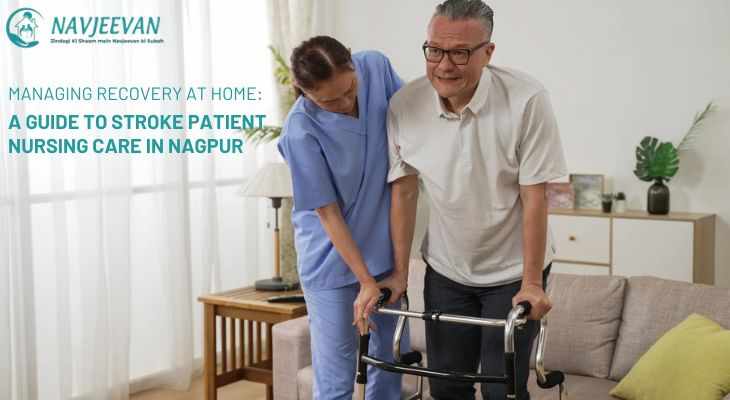
A stroke or neurological event that affects movement or speech
Progressive conditions such as Parkinson's disease or dementia
Spinal injuries or post-accident recovery
Chronic illnesses requiring ongoing medical supervision
For families juggling work, children, and daily responsibilities, managing this level of care without proper support becomes stressful quickly. Long-Term Patient Care Services in Nagpur help bridge that gap between hospital discharge and full recovery or provide sustained support when full recovery is not the goal.
The Difference Between Short-Term and Long-Term Care
Short-term post-operative care might last two to four weeks. Long-term care, on the other hand, often extends to several months or even years. The distinction matters because the type of caregiver required, the infrastructure needed, and the cost planning involved are very different.
Best Long-Term Patient Care in Nagpur is designed around continuity the same trained caregivers, consistent monitoring schedules, and proper documentation of health changes over time. This consistency actually improves patient outcomes because caregivers become familiar with a patient's baseline health, making it easier to catch early warning signs.
Why Families Often Underestimate What Is Needed?
Most families assume they can manage post-discharge care on their own. This is a common and understandable belief. But caregiving fatigue is real. A family member providing round-the-clock assistance without medical training can inadvertently miss early signs of complications like a developing bedsore, signs of malnutrition, or irregular vitals.
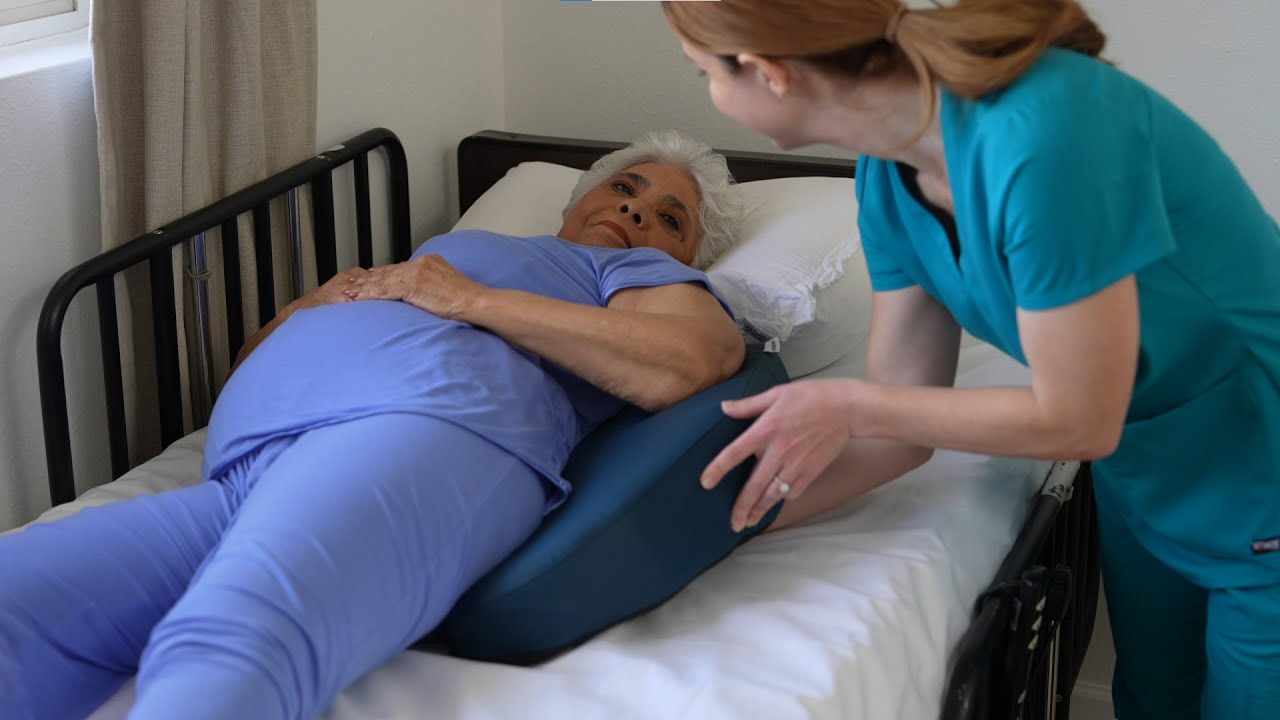
Professional Long-Term Care for Patients in Nagpur fills this gap with trained personnel who understand clinical observation, patient positioning, catheter care, tracheostomy management, and other skilled nursing tasks that require proper training.
LSI keywords worth noting here: post-hospitalisation care, caregiver support at home, chronic illness management, bedridden patient care, attendant services.
Home-Based Care vs Facility-Based Care
One of the biggest decisions families face is whether to bring care home or move the patient to a specialised facility.
Home-Based Long-Term Patient Care suits patients who are medically stable, have a supportive family environment, and do not need intensive clinical monitoring. It allows patients to remain in familiar surroundings, which is particularly beneficial for elderly individuals who may experience anxiety or disorientation in unfamiliar settings.
Facility-based care is better suited for patients who:
Require regular medical intervention
Have no family members available during the day
Need specialised equipment that cannot be easily set up at home
Are recovering from complex conditions requiring structured rehabilitation
Both options are valid. The right choice depends on the patient's condition, the family's capacity, and the level of Long-Term Medical Care Services required.
What Good Long-Term Care Looks Like in Practice?
Comprehensive Long-Term Patient Support is not just about physical health. Good care programmes typically include:
Clinical monitoring: Vital signs, wound care, medication adherence
Physiotherapy: Maintaining or improving mobility
Nutritional support: Meal planning suited to the patient's condition
Psychological support: Addressing isolation, anxiety, and depression that often accompany long illnesses
Family counselling: Helping family members understand the care plan and cope with caregiving stress
This multi-dimensional approach is especially important for
Elderly and Long-Term Patient Care, where age-related factors such as reduced immunity, cognitive changes, and slower healing require careful, patient-specific planning.
Round-the-Clock Care: When It Becomes Necessary
Some patients simply cannot be left unsupervised. Post-stroke patients at risk of falls, patients with severe dementia, or those on ventilatory support need constant monitoring. This is where 24/7 nursing facility nagpur becomes essential rather than optional.
Round-the-Clock Nursing Care Facility Nagpur services are structured to ensure that trained nurses are present at all hours not just during standard shift timings. This matters because medical emergencies do not follow schedules.
24 Hour Nursing Services in Nagpur are particularly relevant for families where no adult member is available overnight, or when the caregiver themselves is elderly or unwell.
For situations that escalate unexpectedly, access to Emergency Nursing Care Facility Nagpur can make a significant difference in outcomes. Rapid response, proper clinical documentation, and coordination with treating physicians are all part of what a well-structured facility provides.
When evaluating a 24/7 nursing facility in Nagpur, families should consider factors such as the expertise of the nursing staff, quality of patient care, cleanliness standards, emergency medical support, and access to qualified doctors around the clock.
FAQs
What conditions typically require long-term patient care?
Stroke recovery, post-surgical rehabilitation, Parkinson's disease, dementia, spinal injuries, and chronic respiratory or cardiac conditions commonly require extended care beyond hospitalisation.
Is home-based long-term care as effective as facility care?
For medically stable patients with adequate support at home, it can be equally effective. However, patients needing complex clinical intervention benefit more from facility-based care.
How is long-term care different from regular home nursing?
Regular home nursing typically involves shorter visits for specific tasks. Long-term care is continuous, involving round-the-clock or full-day supervision and a broader scope of support.
What should families check before choosing a long-term care provider?
Staff qualifications, experience with specific conditions, hygiene standards, emergency protocols, and transparency in care documentation are key factors to evaluate.
Can long-term care be customised based on the patient's condition?
Yes. Good care providers assess the patient's medical history, current condition, and family inputs to create an individualised care plan.
When is 24/7 nursing care considered necessary?
When a patient is at high fall risk, requires ventilatory support, is post-ICU, or has advanced dementia, round-the-clock nursing becomes a clinical necessity.
Conclusion
Long-term care is one of those topics families rarely plan for until the need is already urgent. Understanding what it involves and when to seek professional support can make the recovery journey less overwhelming for both the patient and the family. Whether the need is for home-based support or a structured nursing facility, the goal remains the same: safe, consistent, and dignified care.
Source: When Recovery Takes Time: Understanding Long-Term Patient Care in Nagpur
















Write a comment ...