
Recovering from a stroke is a journey that requires patience, consistency, and a well-structured environment. For families in Maharashtra, the immediate aftermath of a hospital discharge can feel overwhelming. The transition from a clinical setting to a home or specialized facility involves more than just medicine; it requires a deep understanding of physical therapy, emotional support, and daily hygiene. When looking for stroke patient nursing care in Nagpur, it is important to focus on how a structured routine can significantly improve the quality of life for the survivor. Nagpur’s climate and local lifestyle often mean that home-based recovery needs to be adapted to handle heat and specific dietary habits common in Central India.
Understanding the Layers of Post-Stroke Recovery
A stroke impacts every individual differently. Some may face minor speech hurdles, while others might deal with partial paralysis or cognitive shifts. The initial months are often called the “golden period” because the brain possesses a higher level of neuroplasticity during this time. Effective care during this phase isn’t just about supervising meals; it’s about active engagement.
The Role of Physical Mobility
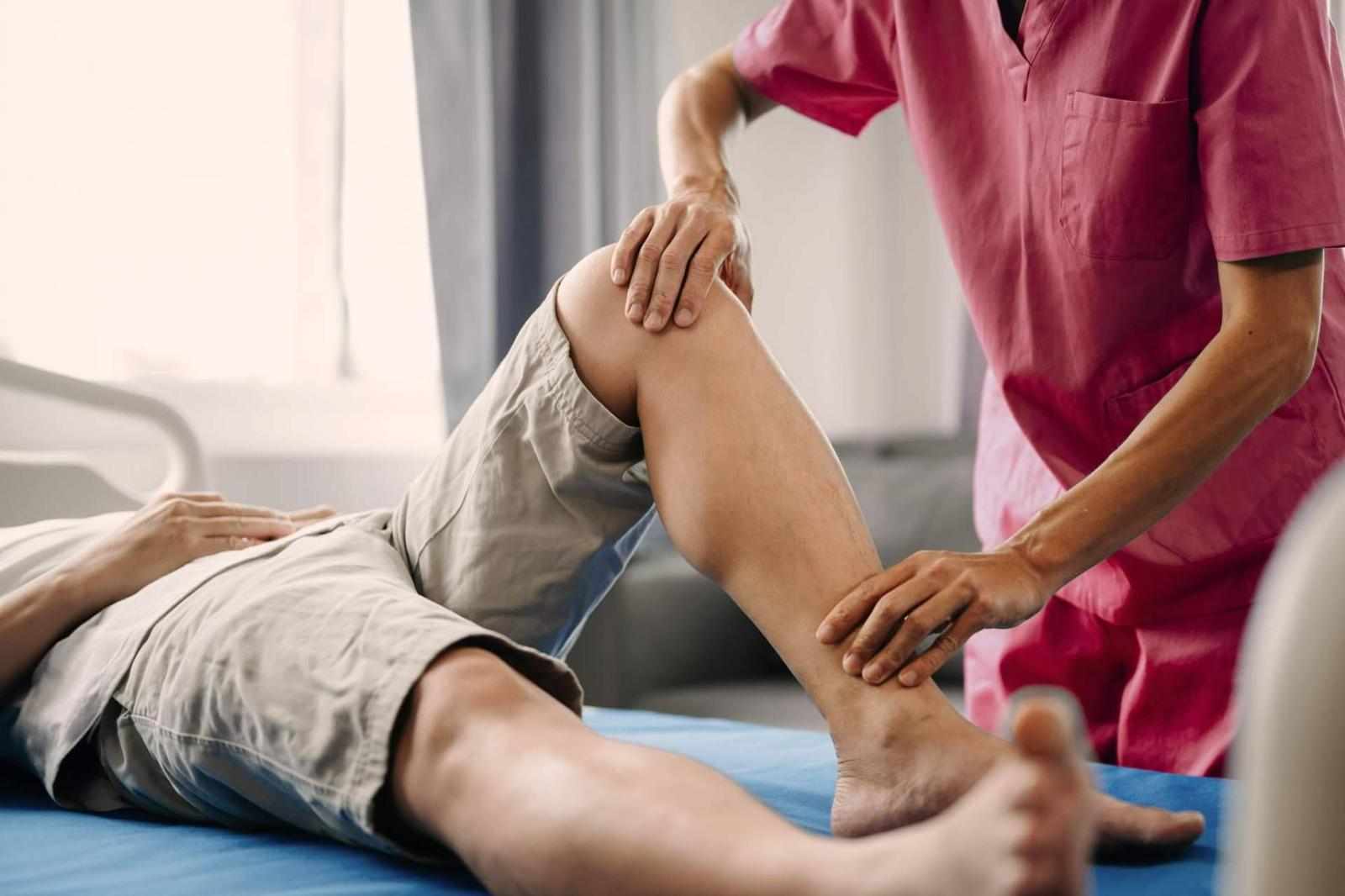
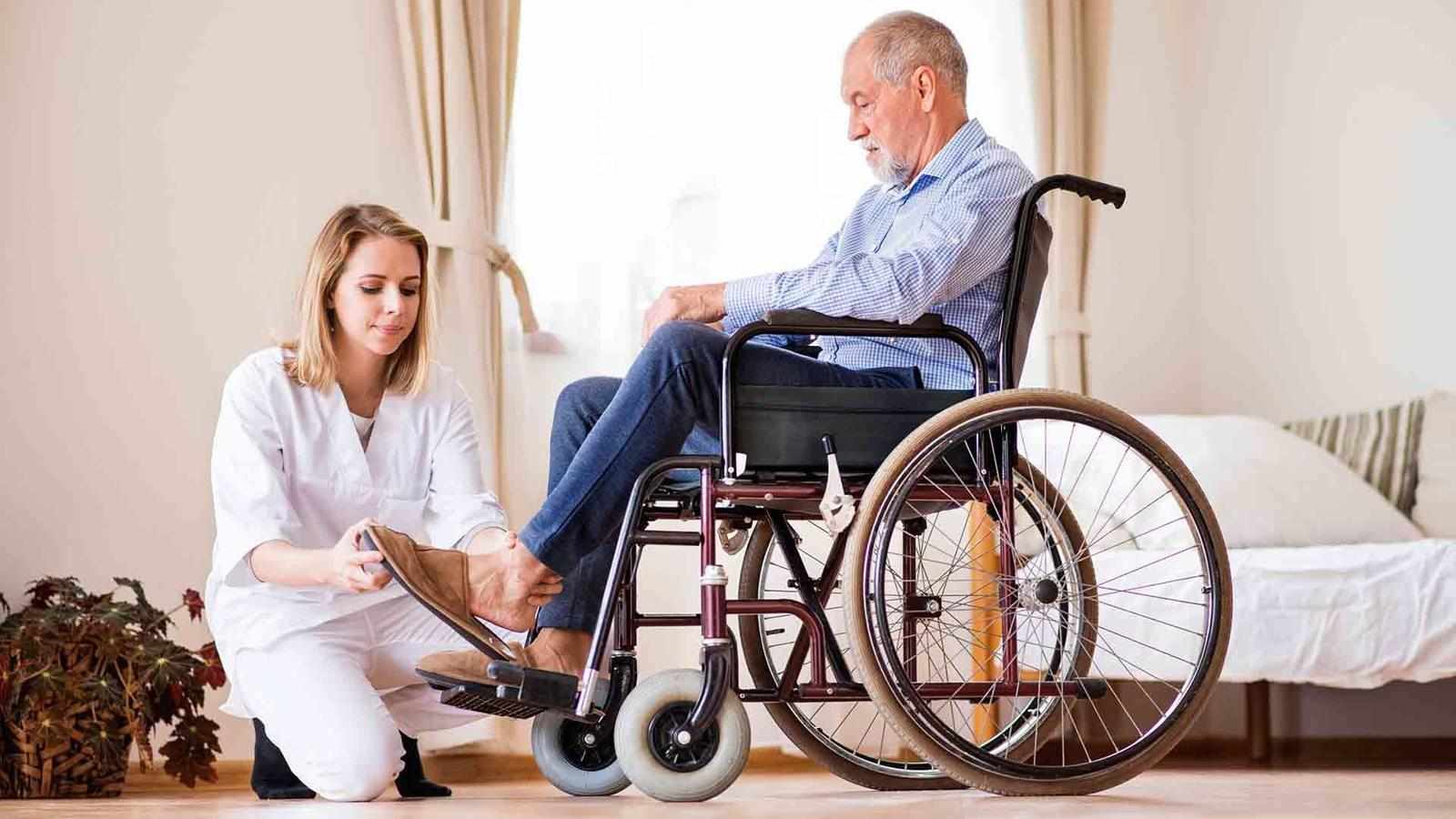
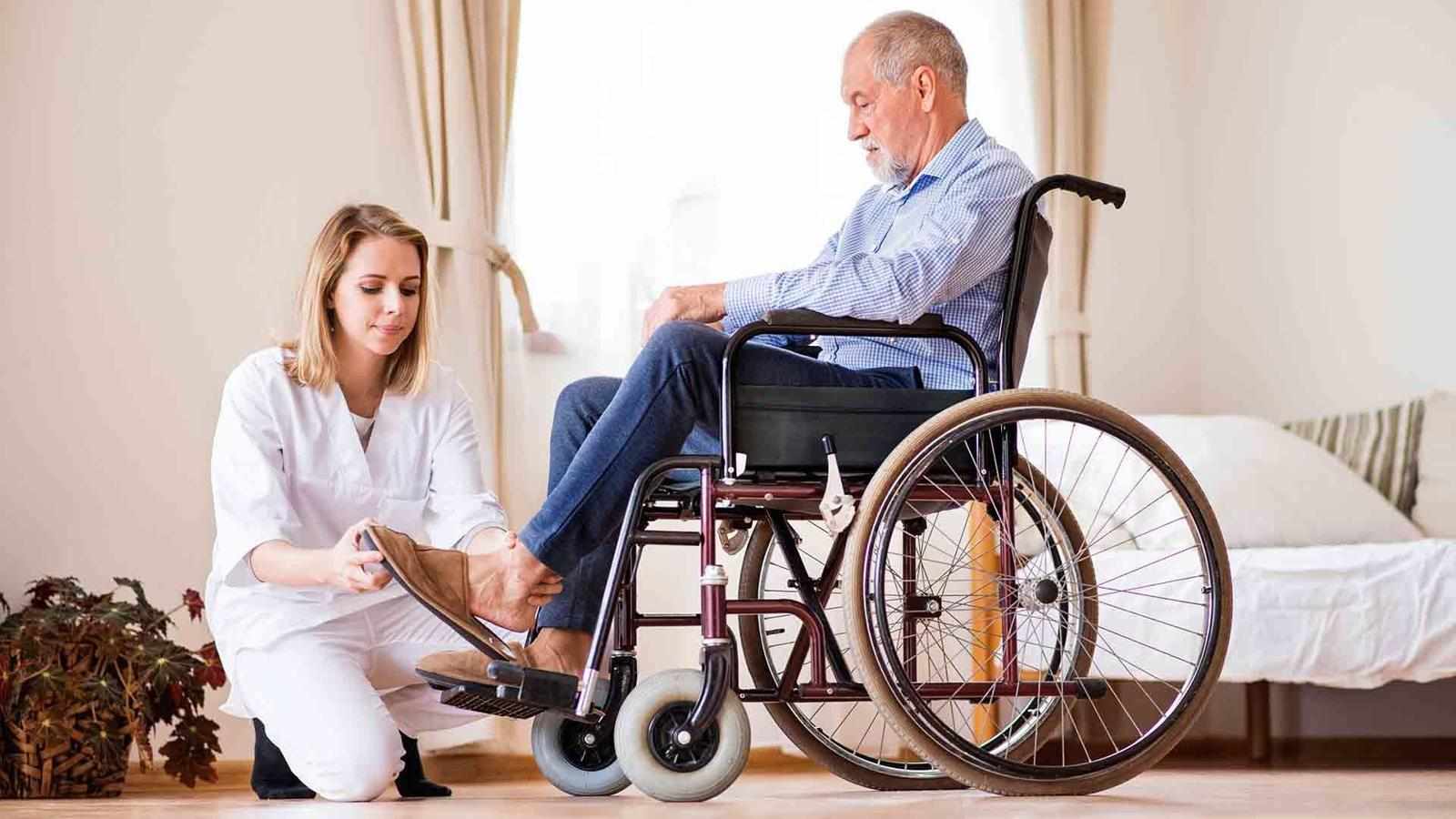
Movement is the cornerstone of regaining independence. When a patient returns home, the risk of muscle atrophy or joint stiffness increases if they remain stationary. A dedicated caregiver helps by performing passive range-of-motion exercises. These simple movements keep the limbs flexible and prevent “frozen shoulder,” a common issue among those with limited mobility. Post-stroke nursing care in Nagpur often emphasizes the importance of these daily exercises to ensure the patient doesn’t lose the progress made during hospital physiotherapy.
Nutritional Balance and Hydration
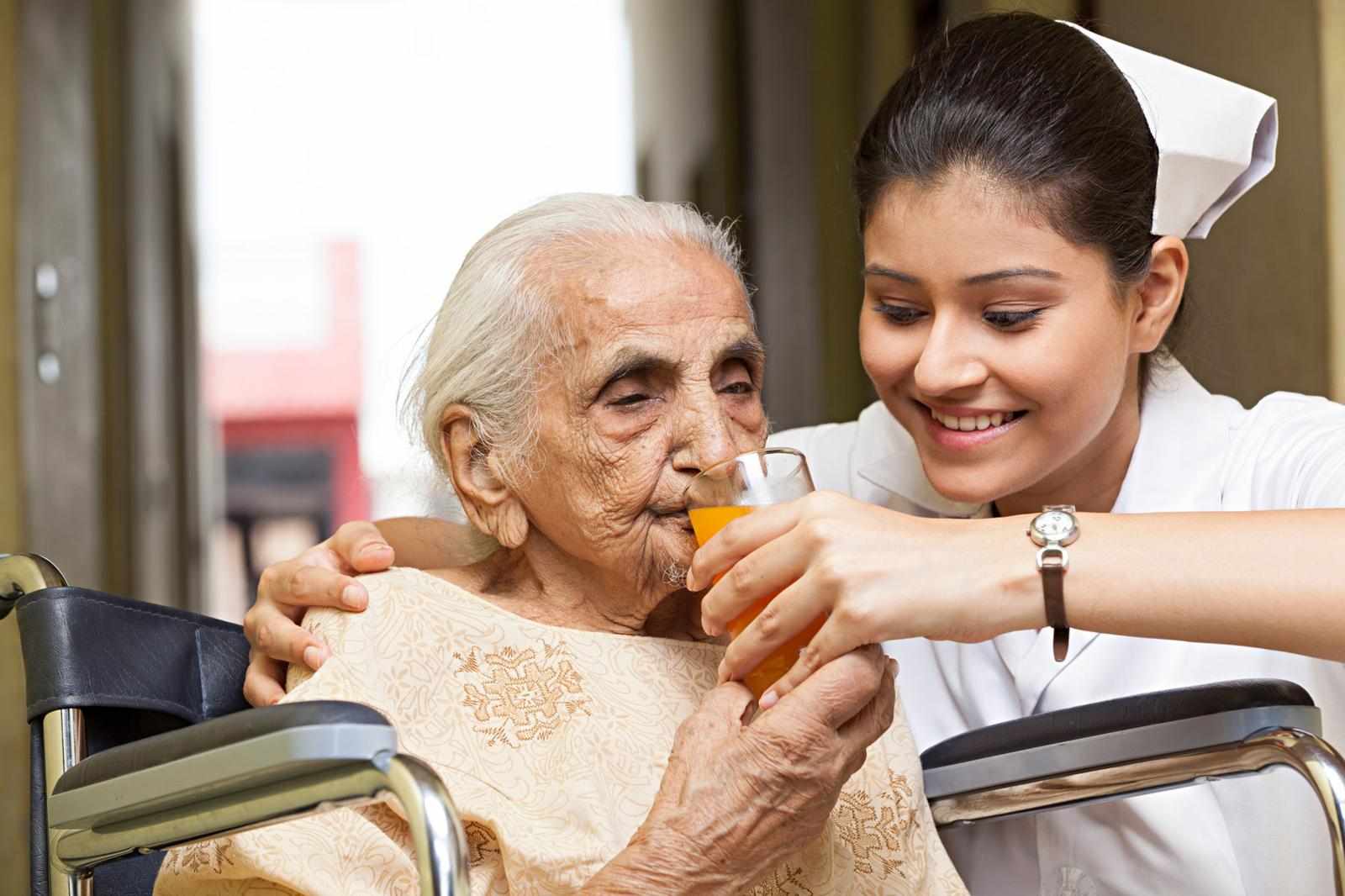
In the Vidarbha region, staying hydrated is a constant challenge due to the rising temperatures. For a stroke survivor, dehydration can lead to confusion or urinary tract infections. Caregivers must ensure a diet rich in fiber to prevent constipation, which is a frequent side effect of reduced physical activity and certain medications. Soft, easy-to-digest traditional meals can be modified to meet nutritional needs without losing the comfort of familiar flavors.
Daily Challenges in Home Management
Managing a survivor at home involves high levels of alertness. From monitoring blood pressure to ensuring that the patient does not develop pressure sores, the checklist is extensive.
Skin Care for Bedridden Individuals
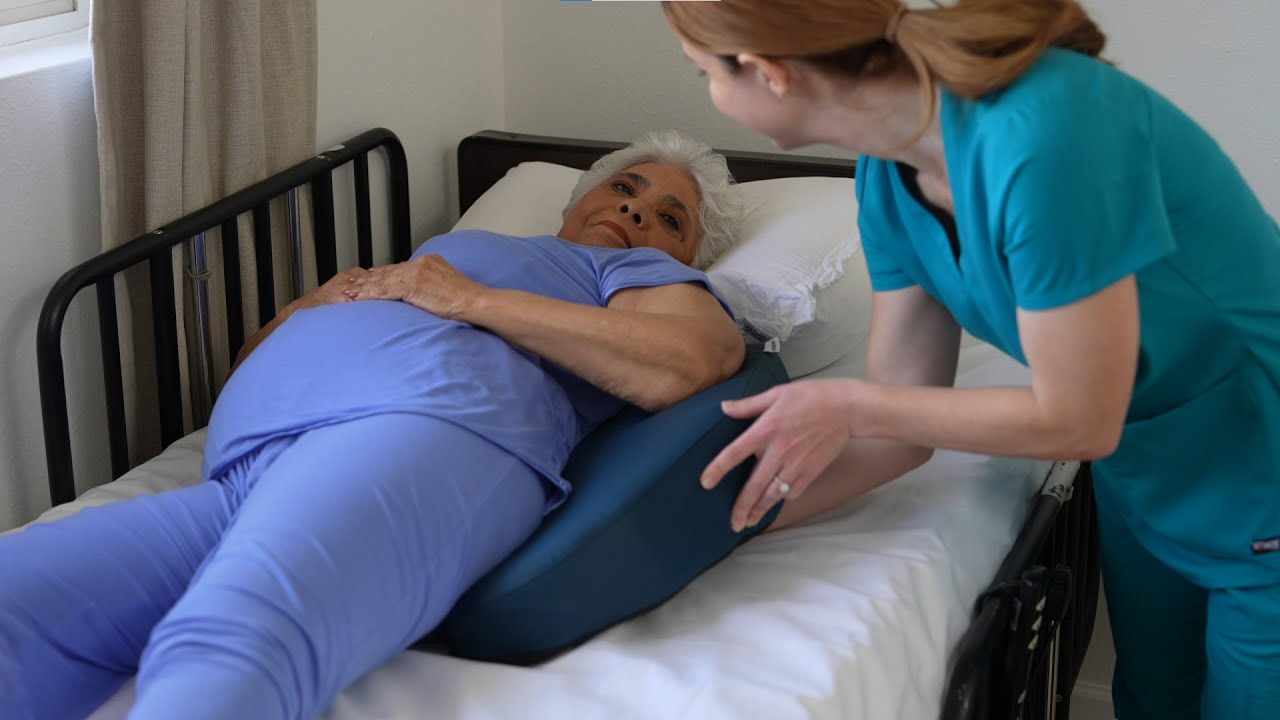
For those who cannot move independently, the risk of bedsores is a major concern. Constant pressure on areas like the heels, tailbone, and elbows can break down the skin quickly. Professional home nursing care for stroke patients in Nagpur involves repositioning the patient every two hours. Using specialized mattresses and keeping the skin dry and clean are non-negotiable steps in maintaining skin integrity.
Medication Management
Stroke survivors often have a complex list of prescriptions, including blood thinners, blood pressure regulators, and sometimes anti-anxiety medication. Missing a single dose can be risky. A systematic approach — using pill organizers and maintaining a daily log — helps in tracking the patient’s response to the treatment. This record-keeping is vital when the family consults their primary physician for monthly check-ups.
Creating a Safe Environment for Rehabilitation
The physical layout of an Indian household often includes small steps, tiled floors, and narrow doorways, which can be hazardous for someone with balance issues.
Flooring: Ensure that rugs are removed to prevent tripping.
Lighting: Bright, clear lighting reduces the risk of falls during nighttime visits to the washroom.
Bathroom Safety: Installing grab bars and using a shower chair can provide the patient with a sense of dignity and safety.
Effective stroke rehabilitation care in Nagpur often begins with these small environmental changes. When the surroundings are safe, the patient feels more confident in attempting to walk or move, which speeds up the psychological aspect of recovery.
Addressing Emotional and Cognitive Health
It is common for stroke survivors to experience “post-stroke depression.” Losing the ability to speak clearly or walk independently is a heavy emotional burden. Caregivers need to be more than just medical assistants; they need to be companions.
Communication Strategies
If the stroke has affected the speech centers of the brain, frustration levels can peak. Using communication boards or simple hand gestures can bridge the gap. Encouraging the patient to speak slowly, without finishing their sentences for them, builds their confidence.
Mental Stimulation
Keeping the brain active is as important as moving the muscles. Simple puzzles, listening to familiar music, or even discussing local news can keep the mind engaged. For a bedridden stroke patient care in Nagpur, these mental exercises are the primary way to maintain a connection with the outside world.
The Necessity of Specialized Support
As the needs of the patient become more technical — such as Ryles tube feeding, catheter care, or tracheostomy management — the demand for skilled hands grows. Families often find it difficult to manage these tasks while balancing their professional lives.
Skilled Clinical Monitoring
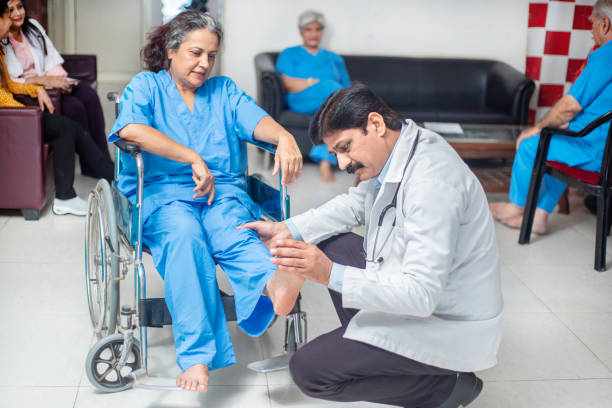
A trained professional can spot early warning signs that a layperson might miss. For instance, a slight change in facial symmetry or a sudden slur in speech could indicate a secondary event. Having neuro patient nursing care in Nagpur ensures that there is someone present who understands these nuances and can take immediate action.
Consistency in Care
Recovery is not a linear process. There will be days of great progress and days of stagnation. A professional caregiver provides the steady hand needed to navigate these fluctuations. They offer a bridge between the doctor’s instructions and the daily reality of the patient’s life.
Opting for Round-the-Clock Assistance
For many families, the most challenging time is the middle of the night. Emergencies don’t follow a schedule, and the physical strain of 24-hour caregiving can lead to burnout for family members. Accessing a professional stroke nursing services in Nagpur allows the family to focus on being a support system rather than just medical technicians.
Having a dedicated person for elderly stroke patient care in Nagpur ensures that the unique needs of seniors — who might also be dealing with diabetes or arthritis — are managed holistically. This level of attention reduces hospital readmission rates and provides peace of mind to the family.
In many cases, a 24/7 nursing facility in Nagpur offers a more controlled environment for those with high-intensity needs. These centers are equipped to handle sudden changes in condition and provide a communal environment that can reduce the feeling of isolation. However, for those who prefer the comfort of their own room, 24-hour nursing care services in Nagpur bring that same level of clinical expertise to the doorstep.
Frequently Asked Questions
1. How long does it typically take for a stroke patient to show signs of recovery?
Recovery varies for everyone. While significant progress is often seen in the first three to six months, improvements can continue for years with consistent therapy and proper nursing support.
2. Can a stroke patient recover fully at home?
Many patients achieve a high degree of independence at home. It requires a combination of a safe environment, regular physiotherapy, and skilled nursing care to manage medical needs.
3. What is the most important part of diet for a stroke survivor?
Consistency is key. A diet low in salt and saturated fats, but high in fiber and protein, helps manage blood pressure and repair tissues. Always follow the specific dietary plan provided by the nutritionist.
4. How do I prevent bedsores in a non-ambulatory patient?
The most effective method is changing the patient’s position every two hours. Additionally, using air mattresses and keeping the skin moisturized and clean is essential.
5. Is it necessary to have a nurse at night?
Nighttime can be risky due to falls or sudden respiratory issues. Having professional support during these hours ensures that any emergency is handled instantly without delay.
6. What should I do if the patient becomes depressed?
Social interaction and professional counseling are helpful. Encouraging small daily wins and maintaining a positive, patient atmosphere can significantly lift the patient’s spirits.
Conclusion
Recovery after a stroke is a marathon, not a sprint. It requires a blend of medical precision, physical effort, and emotional resilience. While the journey is difficult, the right support system makes it manageable. By focusing on a holistic approach that includes professional 24/7 patient care services in Nagpur, families can ensure their loved ones receive the best possible chance at regaining their independence. Whether through home-based support or specialized facilities, the goal remains the same: to provide a dignified, safe, and proactive environment for healing.







Write a comment ...