
Surgery is a significant event in anyone’s life. Whether it is a minor procedure or a major operation, the focus is usually on the time spent inside the hospital. However, the period that follows discharge is equally vital for a successful outcome. This phase, often called the recovery period, is where the real healing happens. Having a solid plan for post operative nursing care can make a massive difference in how quickly and safely a patient returns to their daily routine. In many Indian homes, family members are eager to help, but professional support ensures that technical tasks like dressing wounds or managing complex medicine schedules are handled with the right expertise and care.
The Critical First Week: Bridging the Gap
The first few days after returning home are often the most challenging for both the patient and their family. The comfort of one's own bed brings a sense of relief, but the absence of hospital bells and round-the-clock medical staff can feel a bit overwhelming. Professional nursing care provides a necessary bridge between the high-intensity environment of a hospital and the complete independence of home life. During this time, the body is at its most vulnerable, and the risk of minor issues turning into major setbacks is at its highest. A trained professional knows how to create a calm, healing environment while staying vigilant for any red flags.
Monitoring Vital Signs and Physical Progress
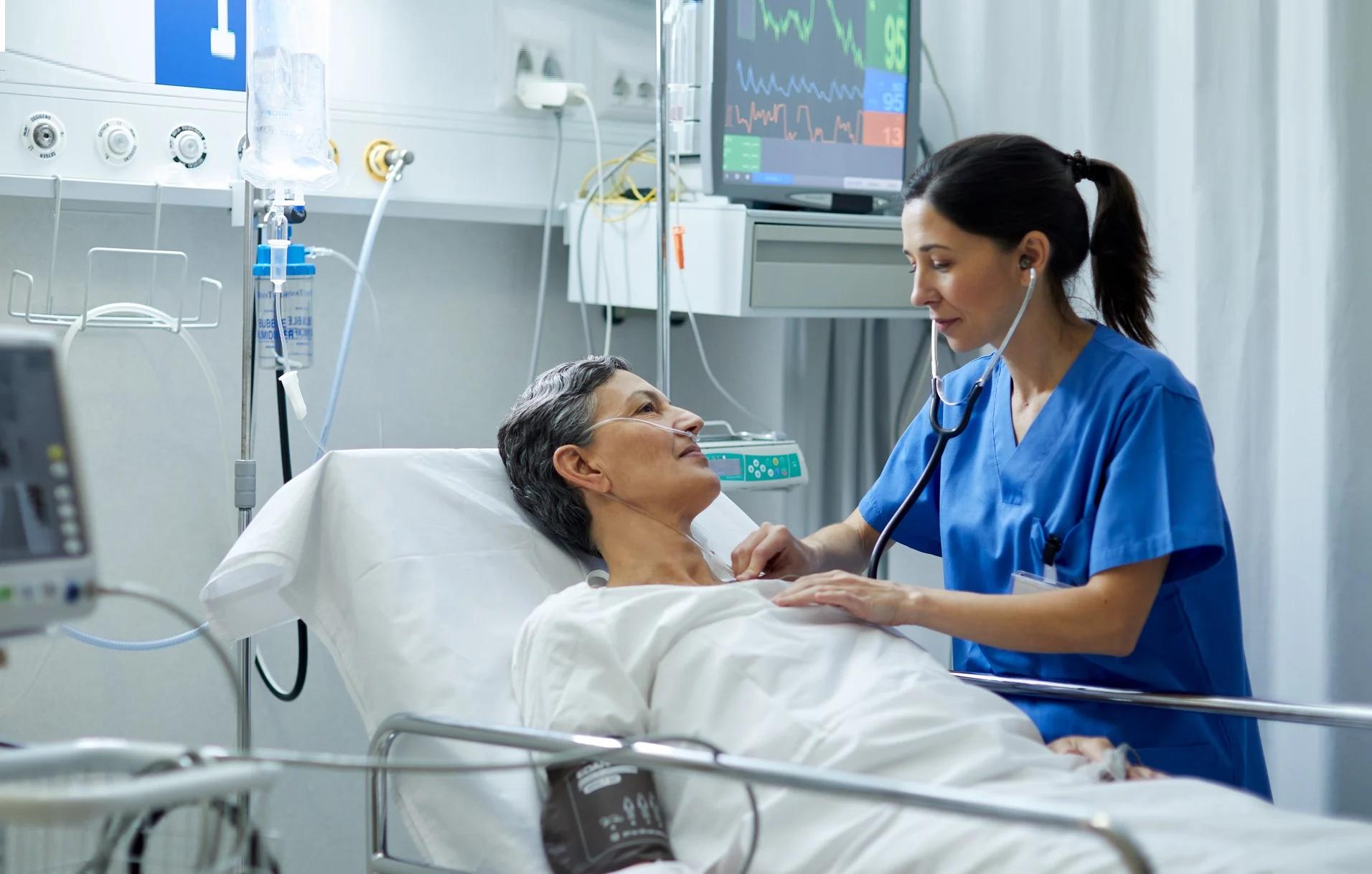
One of the primary roles of a nurse during the recovery period is to keep a close eye on vital signs. Regular checks of blood pressure, heart rate, oxygen levels, and body temperature provide a clear picture of how the body is responding to the trauma of surgery. These metrics are more than just numbers; they are the first indicators of how well the internal organs are functioning. By maintaining a systematic chart, a nursing professional provides a reliable record that can be shared with the surgeon during follow-up visits. This constant monitoring offers peace of mind to the family, knowing that any slight deviation from the norm will be noticed immediately.
Maintaining Communication with the Surgical Team
A nurse acts as a vital link between the patient at home and the doctor at the clinic or hospital. Often, patients or their families are unsure if a new symptom is normal or requires a call to the doctor. A nursing professional can assess the situation and provide clear, clinical information to the surgical team if needed. This prevents unnecessary trips to the emergency room for minor concerns while ensuring that genuine problems are escalated without any delay. This clear line of communication is essential for maintaining the continuity of care that started in the operation theatre.
Managing the Physical Aspects of Healing at Home
Healing is not a passive process; it requires the right conditions for the body to repair itself. This involves a mix of hygiene, medication, and careful observation.
Professional Wound Care and Infection Control
Wound infections are a major concern, particularly in the Indian climate where heat and humidity can encourage bacterial growth. A professional nurse ensures that surgical incisions are kept clean and that dressings are changed using sterile techniques. They are trained to identify the subtle signs of infection, such as unusual redness, warmth around the cut, or specific types of discharge, long before these symptoms become obvious to an untrained eye. For families looking for reliable post operative care in Nagpur, having a trained professional handle these delicate tasks locally can significantly reduce the stress and physical strain of traveling back and forth to a hospital for simple dressing changes.
Pain Management and Medication Schedules
Effective pain management is about more than just keeping the patient comfortable; it is essential for mobility. If a patient is in too much pain, they are less likely to move, which can lead to complications like stiff joints, muscle loss, or even respiratory issues. A nurse helps manage the timing of painkillers so that the patient remains comfortable without being over-medicated. They also take charge of the entire medication list, ensuring that antibiotics, blood thinners, and other supplements are taken at the correct intervals. This prevents dangerous errors, such as missing a dose or accidentally doubling up on medicine.
Nutritional Support and Lifestyle Adjustments
In India, traditional wisdom often dictates what a person should eat after an illness. While many of these traditions are beneficial, they must be balanced with the specific medical requirements of post-surgery recovery.
The Importance of Protein and Hydration
A body in repair mode requires significantly more energy and nutrients. High-protein foods are the building blocks of tissue repair. A nurse can work with the family to ensure the patient’s diet includes the right balance of lentils, dairy, or other protein sources that are easy to digest. Staying hydrated is equally important, as it helps the kidneys process the anesthesia and other medications used during the surgery. A professional can monitor fluid intake and encourage the patient to drink water or clear soups throughout the day, ensuring that dehydration does not slow down the recovery process.
Emotional Support and Mental Well-being
Surgery can be an emotional experience. It is very common for patients to feel frustrated by their temporary loss of independence or to feel anxious about whether they are healing fast enough. Having a professional present provides a sense of security that goes beyond physical medical care. A nurse can offer reassurance, explaining that a certain amount of fatigue is expected or that a specific sensation near the surgical site is a normal part of the healing process. This mental support often gives patients the confidence they need to participate in their own recovery, such as performing breathing exercises or taking their first few steps after a procedure.
Frequently Asked Questions
Why is professional nursing care better than family care alone? While family members provide essential emotional support, a professional nurse has the clinical training to perform sterile wound care, monitor vitals, and identify early signs of complications that an untrained person might miss.
How long does post operative nursing care usually last? The duration depends on the complexity of the surgery and the patient's general health. It can range from a few days for minor procedures to several weeks for major surgeries like joint replacements or cardiac interventions.
Can a nurse help with physical therapy at home? Yes, nurses can assist with basic range-of-motion exercises and ensure the patient follows the specific movement routine prescribed by their physiotherapist, ensuring they move safely without risking a fall.
What should I do if the patient develops a fever after coming home? While a slight elevation can happen, a persistent or high fever is a sign to contact the doctor immediately. A nurse will track these readings accurately to provide the doctor with the necessary data.
How is medication managed if the patient has other health issues? A nurse creates a clear schedule that integrates new post-surgery medications with existing ones for conditions like blood pressure or diabetes, ensuring there are no harmful interactions between the different drugs.
Is it necessary to have 24-hour nursing care? This depends on the patient’s stability and their ability to move or use the bathroom independently. A professional assessment before leaving the hospital can help determine the safest level of care for the home.
Conclusion
Recovery is a journey that requires patience and the right support system. By choosing professional nursing care, families can ensure that their loved ones transition from the hospital to home with the highest level of safety. Taking the time to plan for this phase is a direct investment in long-term health and a smoother return to a happy life.








Write a comment ...